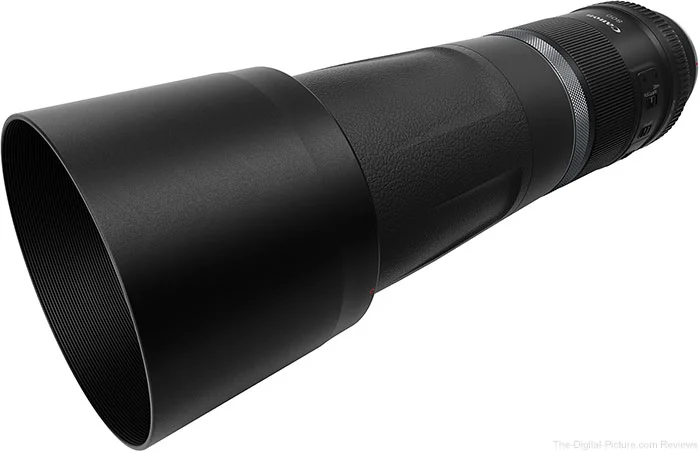
The Canon RF 800mm F11 IS STM is a quirky but brilliant solution to a real problem: getting to 800mm without spending a fortune or breaking your back. For around $900 it delivers genuinely good sharpness and surprisingly capable autofocus in a light, retractable body. The catch is the fixed f/11 aperture, which restricts it firmly to bright conditions, and modest stabilization for the focal length.
Full review
Scores well in bright light, needs it to shine
The RF 800mm F11 is one of the most unconventional lenses Canon makes, and reviewers were won over by how well the gamble pays off. OpticalLimits, scoring it 7/10, found the resolution of the naked lens very good in the broader image center and still good to very good in the outer image field, which is strong for a lens at this price and reach. Dustin Abbott concluded that used in the right conditions, the lens is perfectly capable of producing stunning images.
The-digital-picture summarized the appeal, describing how Canon's engineers were willing to overlook typical design conventions to produce a functional telephoto prime with massive reach and good performance at a bargain price. The key phrase across every review is in the right conditions: when there is enough light, the optical results genuinely punch above the price, delivering frame-filling shots of distant birds and wildlife that would otherwise demand a far more expensive lens.
Dustin Abbott described the lens as quirky and unconventional, but came away convinced, noting that its autofocus performance was better than expected, making it a very useful tool for the right kind of photographer. That qualifier runs through every review: this is not a do-everything lens, but a specialist that, used as intended, delivers results far beyond what its price would suggest. For bright-light birding and wildlife, the optical core is genuinely strong.
The Fixed f/11 Aperture
Everything about this lens revolves around its fixed f/11 aperture, which cannot be changed: every shot is taken at f/11. OpticalLimits called it the big elephant in the room, and it is the single fact that determines whether the lens is right for you. To make the slow aperture work, Canon kept the optics simple and the price and weight low, a deliberate engineering trade.
In practice f/11 means the lens is a bright-light tool. In strong daylight it gathers enough light for fast shutter speeds and clean ISO, but in shade, overcast or the golden-hour light wildlife often favors, you are forced to raise ISO substantially. There is no flexibility to open up when the light fades, which is the most important limitation for any buyer to understand before committing to the lens.
Build and Handling
For an 800mm lens, the RF 800mm F11 is astonishingly light at about 1260g. OpticalLimits noted that the lens is very lightweight for a long telephoto yet still feels pretty sturdy, and it is genuinely handholdable, which is almost unheard of at this focal length. The retractable design collapses the barrel for transport and locks out to shooting length, making it far easier to carry and store than a conventional super-telephoto.
The 95mm front filter thread is front-mounted rather than a rear drop-in, and there is no weather sealing, so like the budget RF 100-400mm this is a fair-weather lens. The light weight does come with a handling caveat at 800mm: any small movement is hugely magnified, which puts pressure on the modest stabilization and on technique. But the portability transforms what an 800mm lens can be used for, encouraging the kind of mobile shooting heavy primes discourage.
The retractable mechanism deserves a mention because it is central to the lens's appeal. Collapsed, the lens is short enough to pack easily; extended and locked, it is ready to shoot in a second. That means an 800mm lens you can actually bring on a hike or keep in a daypack, rather than one that lives on a tripod at home. For a focal length that usually implies a heavy, immobile setup, the ability to carry it casually is genuinely transformative and is much of why reviewers forgive the lens its compromises.
Just 4 stops of stabilization at 800mm
Beyond the fixed aperture, the image stabilization is the notable weakness. OpticalLimits measured 4 stops of IS, which it called rather modest at such a long focal length, where you would ideally want as much help as possible. At 800mm even small shake is dramatically amplified, so the relatively limited stabilization places more demand on shutter speed and steadiness than a more stabilized lens would.
Autofocus, while better than expected, uses STM rather than the faster USM motors of the pricier lenses, and OpticalLimits noted it is not the fastest on the planet, though still quite decent and noiseless. Combined with the f/11 aperture, AF can slow in dimmer light. And the lack of weather sealing confirms this as a bright-day, careful-conditions tool rather than an all-weather workhorse.
It is also worth noting that the f/11 aperture interacts with Canon's autofocus system itself: on many RF bodies, autofocus at f/11 is supported but with fewer active focus points or reduced low-light AF sensitivity than a faster lens enjoys. In bright conditions this is rarely an issue, but it compounds the lens's daylight-only character. The recurring lesson is that the 800mm F11 rewards photographers who plan around its constraints and frustrates those who fight them.
Cheapest way to reach 800mm in this lineup
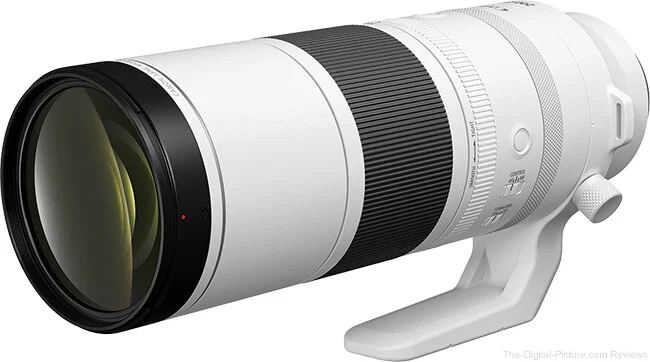
Within this group the RF 800mm F11 is the cheapest route to 800mm. Its closest comparison is the Canon RF 200-800mm F6.3-9 IS USM, which reaches the same 800mm but adds a full zoom range, a slightly faster aperture and teleconverter support, for more money and more weight. The 800mm F11 trades all that flexibility for a lower price and a lighter, retractable body.
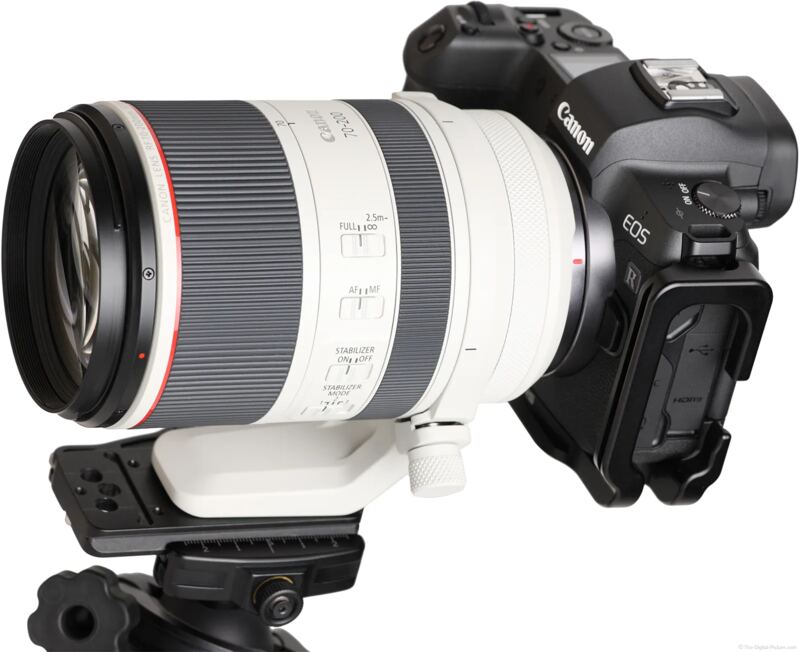
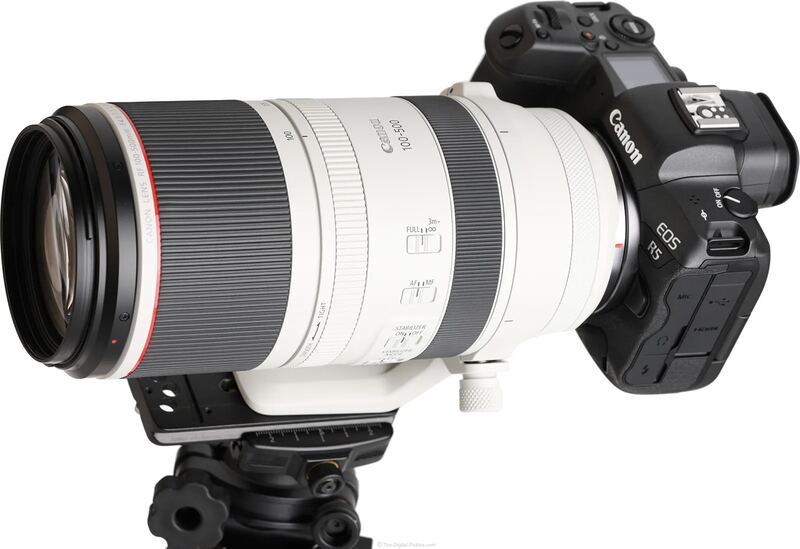
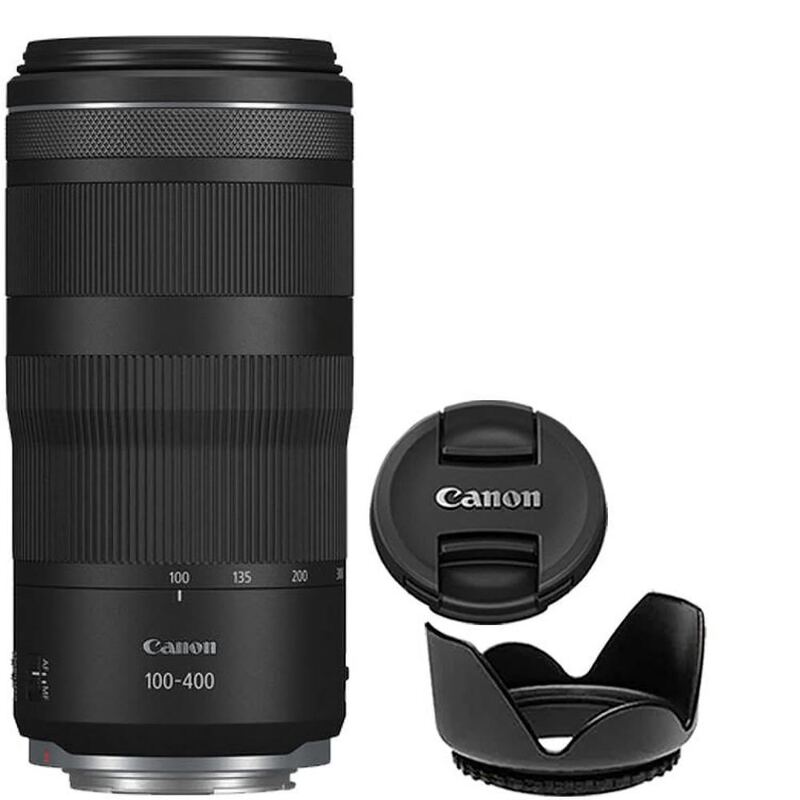
It cannot match the versatility of the Canon RF 100-500mm F4.5-7.1 L IS USM, the low-light ability of the Canon RF 70-200mm F2.8 L IS USM, or even the everyday flexibility of the budget Canon RF 100-400mm F5.6-8 IS USM. But none of those reach 800mm for $900. The choice is clear: if you want maximum reach for minimum cost and weight, and you shoot in good light, the 800mm F11 is uniquely positioned; otherwise one of the zooms is the more sensible buy.
900 dollars opens up 800mm reach
At around $900 the RF 800mm F11 is a bargain in super-telephoto terms, and that is its entire reason for existing. Dustin Abbott noted that the price of entry is low enough for more photographers to participate in long-reach wildlife and bird photography, which historically required prohibitively expensive glass. For a hobbyist who simply wants to photograph distant birds in daylight, no other route to 800mm comes close on price.
The value proposition is narrow but real: you are buying reach and portability, accepting the fixed aperture and modest stabilization as the cost. For the right photographer those compromises are entirely acceptable, and the lens delivers stunning images in good light. For anyone who needs flexibility or low-light capability, the value evaporates, which is why understanding the f/11 constraint is essential before buying.
Built for daylight birding on a tight budget
This lens is for the budget birder or wildlife enthusiast who shoots primarily in bright daylight and wants the longest possible reach at the lowest possible cost and weight. Its handholdable size and 800mm reach make it a genuinely fun, accessible way into super-telephoto photography that no other lens offers at this price.
It is a poor fit for anyone who works in low light, shade or unpredictable weather, where the fixed f/11 aperture and lack of sealing become serious handicaps, and for those photographers the RF 200-800mm or RF 100-500mm L are far better. But for the daylight birder on a tight budget who understands and accepts its quirks, the RF 800mm F11 IS STM is a uniquely clever and rewarding tool.
Strengths
- +Massive 800mm reach for around $900, a bargain in super-telephoto terms
- +Very good center sharpness that holds up well across the frame
- +Remarkably light for its reach at about 1260g, easily handholdable
- +Better-than-expected autofocus for a budget super-telephoto
- +Retractable design collapses for easier transport and storage
Watch-outs
- −Fixed f/11 aperture cannot be changed, limiting use to bright conditions
- −Image stabilization is a modest 4 stops, low for an 800mm lens
- −No weather sealing
- −STM autofocus is decent but not the fastest available
How it compares
It is the cheapest path to 800mm in this group, undercutting the zoom Canon RF 200-800mm F6.3-9 IS USM in price but giving up that lens's flexibility and slightly faster aperture for a fixed focal length and a fixed f/11. It cannot match the versatility of the Canon RF 100-500mm F4.5-7.1 L IS USM or the low-light ability of the Canon RF 70-200mm F2.8 L IS USM, and it is far slower than the budget Canon RF 100-400mm F5.6-8 IS USM, but nothing else reaches 800mm this cheaply.
Rating sources
“The resolution of the naked Canon RF 800mm f/11 IS STM is very good in the broader image center and still good to very good in the outer image field.”
“Used in the right conditions, the lens is perfectly capable of producing stunning images.”
Our 4.0 score is the average of these published ratings. Ratings marked * were derived from the reviewer’s written analysis or video transcript — the publisher didn’t print an explicit numeric score, so we inferred one from their own words. Click through to verify. More about methodology.