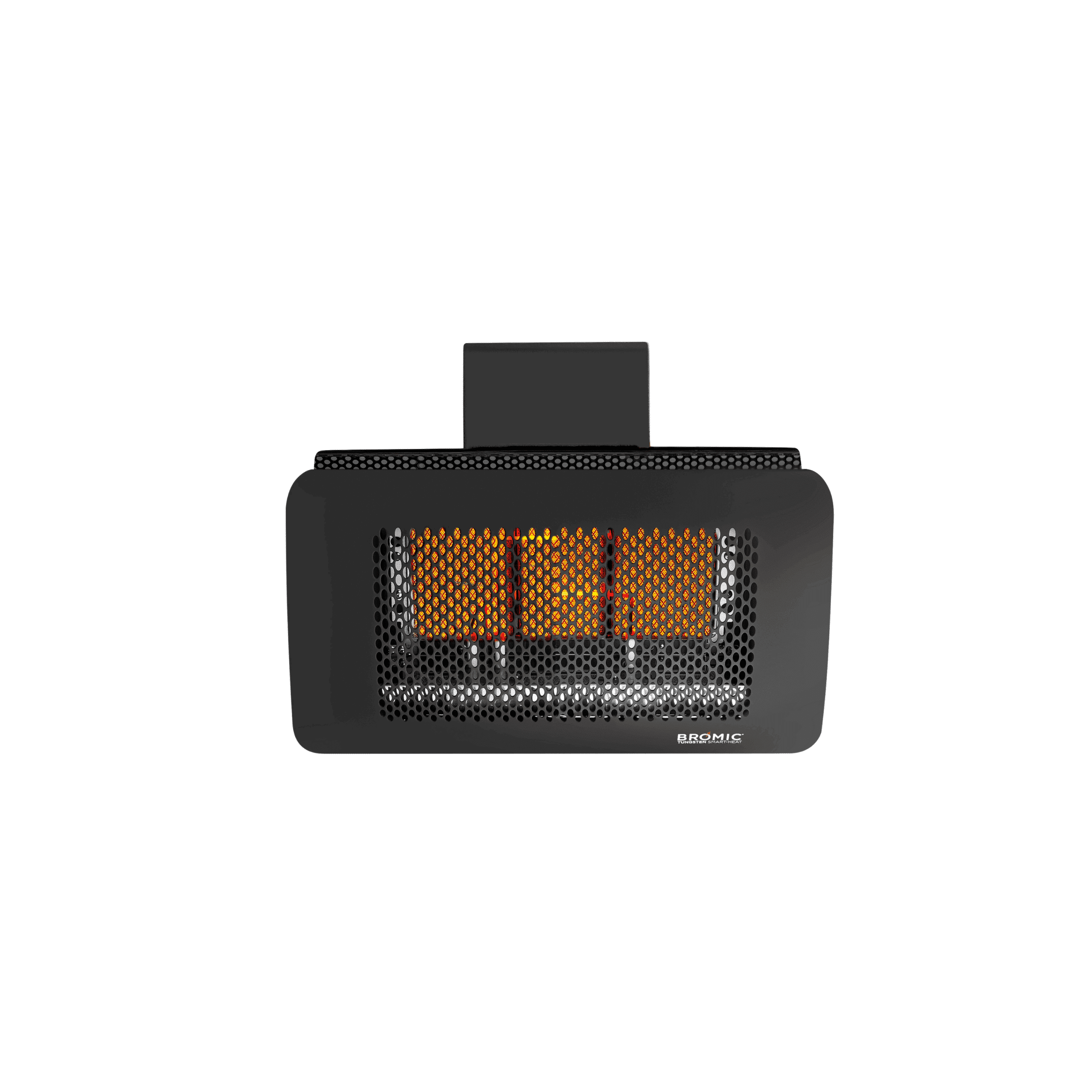
The Bromic Tungsten Smart-Heat 500 Series is the gas heater restaurants buy when freestanding pyramids keep blowing out. Bromic's screen-and-ionization wind technology and 25-degree pivot arm deliver 43,000 BTU of directional radiant heat across about 215 sq ft, and the matte black stainless steel housing is built to live outdoors permanently. The trade-off is real: it needs a gas line, 110V power, and an 8-foot mounting height — but reviewers consistently call it the most reliable patio heater money buys.
Full review
Heat Output and Real-World Coverage
Bromic rates the Tungsten 500 Series at 43,000 BTU, with a coverage area of roughly 215 sq ft. BBQGuys' technical write-up describes it as 'evenly distributing 43,000 BTUs of heat,' which lines up with what reviewers see in practice — the radiant pattern from the parabolic reflector and ceramic burners delivers a roughly 16x13-foot warmth footprint rather than the narrow hot column you get from cheaper pyramid heaters. The 25-degree bi-directional pivot lets you angle that footprint toward a specific table or lounge zone instead of blasting heat at empty space.
Bromic positions the 500 as a step down from the 1000-watt-equivalent 'Smart-Heat 300 Series' and a step up from electric units, and at this output it shoulders the load for a four-to-six-person table without needing a second heater. Reviewers at Woodland Direct and The Fireplace Element both note that the radiant heat is what you feel — there is no warm-air convection like the gas tower heaters that lose most of their output to the wind.
Build Quality and Materials
The Tungsten housing is matte black powder-coated stainless steel — Bromic specifies that the unit is engineered for permanent outdoor installation, and Woodland Direct's product page notes it 'stands up to harsh elements, without corroding or rusting.' At 44 lbs the heater is heavier than the typical freestanding pyramid, but that weight is in the burner shroud and pivot bracket; once it's mounted, the build feels considerably more serious than the thin stamped steel of a $200 Hampton Bay unit.
The honeycomb burner screen and ceramic emitter both wear visibly in commercial use after a few seasons, but Bromic sells replacement screens and ionization probes, and the heater itself is designed to be rebuilt rather than replaced. The 2-year limited warranty (excluding hoses and igniters) is shorter than some homeowner heaters offer, but it reflects Bromic's commercial market — restaurants service these on a maintenance schedule rather than relying on a warranty.
Wind Performance
This is the single biggest reason restaurants and hospitality buyers choose Bromic over a $300 freestanding tower. Bromic's spec sheet calls out 8 mph wind resistance, and BBQGuys explains the mechanism: 'patented screen and ionization probe technology that provides remarkable wind resistance.' If the pilot is extinguished, the heater attempts to relight the flame three times before the flame-failure control shuts off the fuel — meaning a strong gust doesn't kill your night, it just causes a brief flicker before the burner relights.
By contrast, the freestanding pyramid heaters in this guide — the Hampton Bay and Fire Sense — both struggle in any sustained breeze. If your patio sees coastal wind, bay-area gusts, or even consistent 10 mph evening winds, the Bromic is the only heater here that will keep dinner service running.
Setup and Installation
Installation is the gate to ownership. The 500 Series requires a 110V/2A electrical hookup for the electronic ignition and either a natural gas line or a dedicated LP propane regulator and tank. Bromic's installation guide specifies a 96-inch minimum floor-to-bottom-of-heater clearance and a 72-inch wall clearance from combustibles. Most owners hire an electrician and a gas plumber rather than DIY this, which adds $400-$800 to the project depending on whether you're tapping existing infrastructure.
Once installed, operation is essentially invisible — Bromic supports control via 'Affinity On/Off controllers and manual wall switches,' so a host stand or kitchen pass can flip patio heaters on at sundown the same way they flip on string lights. That's why hospitality buyers tolerate the install cost: zero customer-facing fuss after day one.
Where It Falls Short
The 500 Series isn't right for a deck where you only entertain six nights a year. The installed cost — heater plus electrician plus gas plumber — will easily clear $2,500, which is enough money for ten Hampton Bay 48,000 BTU pyramids. The 8-foot minimum ceiling clearance also rules it out under low pergolas, screened porches with sub-7-foot framing, or any retractable awning. Some buyers expect to wheel the Bromic from the patio into the garage for winter; that's not what it's built for. It lives outside, year round.
The 8 mph wind rating, while best-in-class for this guide, is also not infinite — coastal restaurants in 15+ mph evening conditions occasionally report flame-out cycles even on Tungsten units. For those environments, Bromic sells the higher-output 'Platinum Smart-Heat' line with stronger wind tolerance, but that's another step up in cost again.
Who It's Best For
Buy the Bromic Tungsten 500 if you run a restaurant, bar, hotel pool deck, or member club where uptime translates directly to revenue, or if you've built a high-end residential outdoor kitchen and want the same fixture-grade hardware. The economics make sense when the patio is generating $500+ a night in covers — one rained-out service pays back the installation premium. Pick the Hampton Bay 48,000 BTU or Fire Sense 50,000 BTU instead if this is a backyard you use twenty nights a year and you don't want to commit to a gas line.
How It Compares to Alternatives
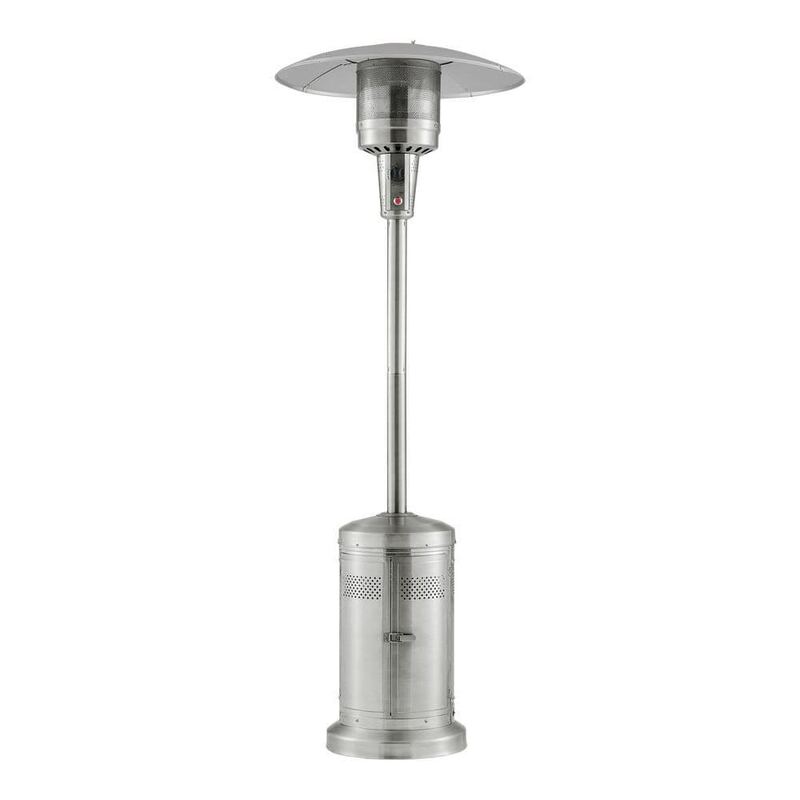
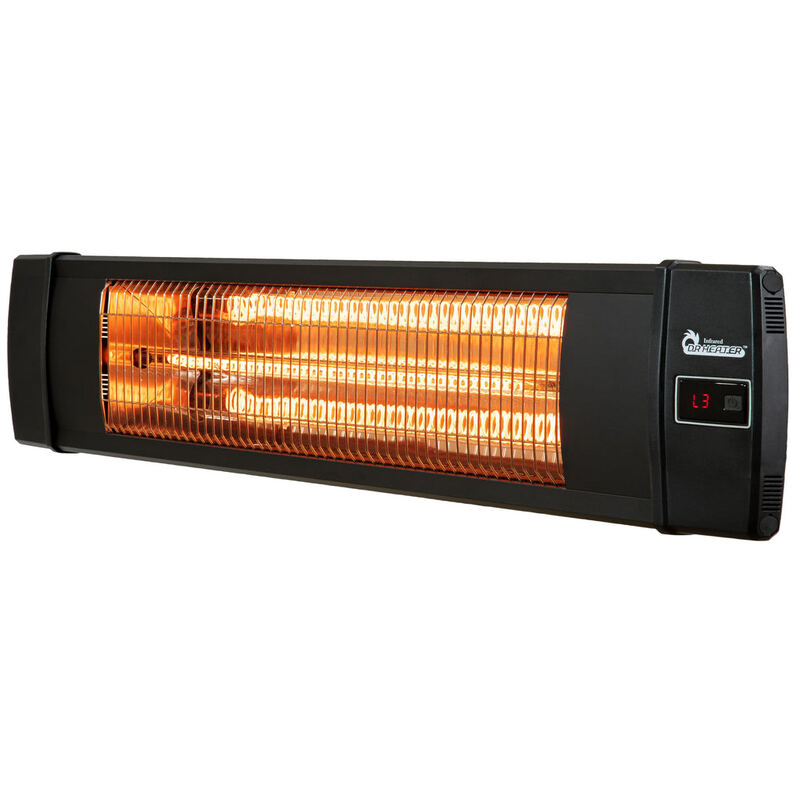
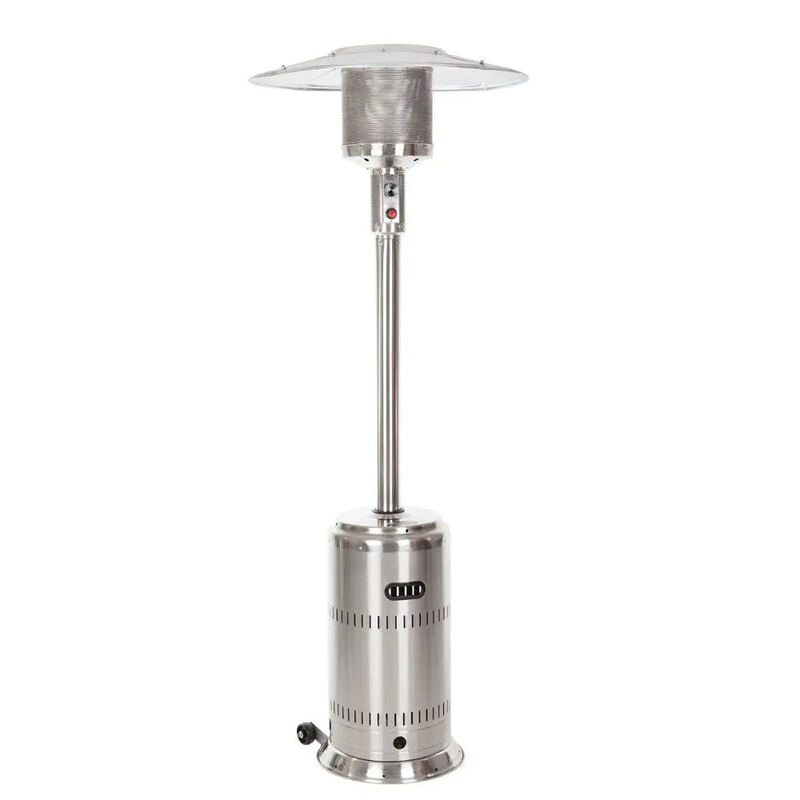
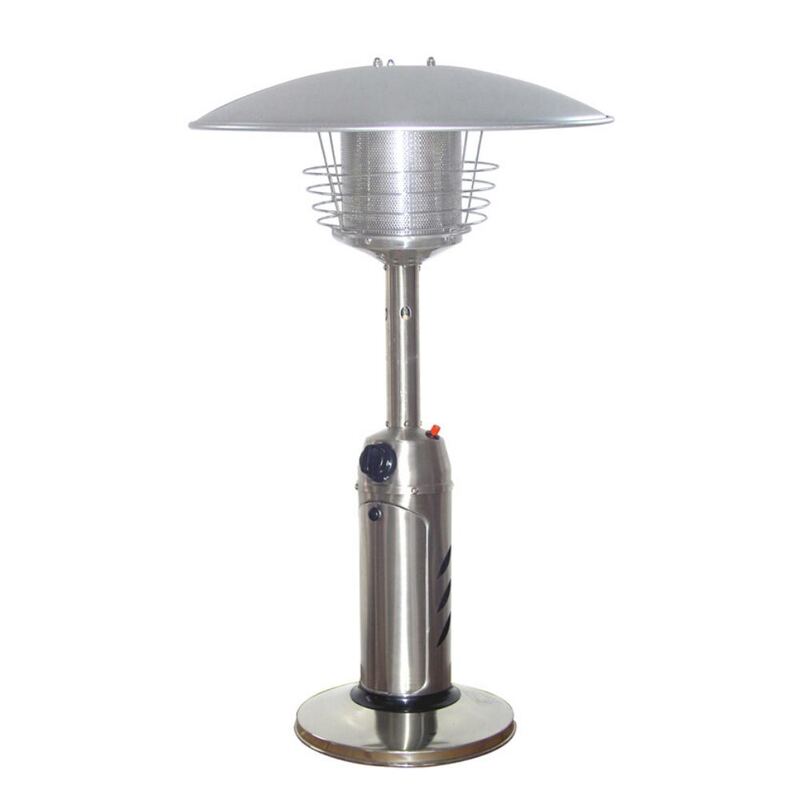
Among the products in this guide, only the Bromic is engineered as permanent commercial infrastructure. The Hampton Bay stainless tower and the Fire Sense Performance Series offer comparable raw heat output but in a portable form factor that struggles in wind. The Dr. Infrared DR-238 is the only other wall/ceiling-mountable pick, but at 1,500W its output is roughly one-eighth of the Bromic's and it's strictly a personal-zone heater. The AZ Patio Heaters tabletop unit isn't even in the same category — it's a hand-warmer.
Buyers cross-shopping the Bromic typically also look at the Schwank Patio Series and Sunpak S34 commercial heaters; the Tungsten 500's main advantages over those are the directional pivot arm, the visual finish, and the smart-controller compatibility for properties already running building automation.
Value at This Price
At a list price of roughly $1,939 for the heater alone — and a fully installed cost often clearing $2,500 once a gas plumber and electrician are involved — the Bromic Tungsten 500 is unambiguously the most expensive heater in this guide. The value question is whether your patio generates enough revenue or use-nights to justify it. For a restaurant doing 60-80 covers a night on the patio, one rained-or-windy-night save pays back a meaningful chunk of the install. For a homeowner using the patio twice a week, the math is harder to justify on dollars alone — but reviewers and owners who can afford it consistently describe it as the heater they should have bought first instead of cycling through cheaper towers.
The other meaningful value lever is service life. Bromic engineers the Tungsten line to be rebuilt rather than replaced — replacement screens, ionization probes, and burner components are all available through Bromic's parts network. A typical commercial Tungsten install runs 8-10 years with periodic refurbishment, versus 2-4 seasons for a freestanding tower that gets retired when the burner pits out. Amortized over service life, the cost-per-year delta between a Bromic and a Hampton Bay narrows considerably.
Long-Term Durability
Bromic's commercial track record is the company's main selling point. The Tungsten line was originally engineered for Australian hospitality conditions — coastal, salty, hot summers and cold dry winters — and the matte-black stainless steel and ceramic burner components carry the same engineering brief into the US market. Reviewers at Patio Pelican, Patio and Pizza, and Authenteak all describe the build as visibly more substantial than freestanding propane towers in the same physical class.
Where the Bromic does show its age is in the burner screen and ionization probe, which need replacement every 2-4 years depending on use intensity. Bromic's parts catalog supports these as user-serviceable items, and a maintenance visit from a qualified gas tech runs about $150-250 in most markets. Compared to the disposable nature of a freestanding tower that gets replaced wholesale every few seasons, this rebuildable design is a meaningful long-term advantage.
Strengths
- +Patented screen and ionization probe technology resists winds up to 8 mph without blowing out
- +Distributes 43,000 BTU evenly across roughly 215 sq ft for restaurant-grade coverage
- +Wall, ceiling, or post-mount installation hides cable runs in commercial setups
- +Bi-directional pivot arm with 25-degree rotation per side aims heat at fixed seating
- +Heavy-duty matte black stainless steel construction designed for year-round outdoor exposure
Watch-outs
- −Requires hardwired 110V supply plus dedicated NG or LP gas line — not a plug-and-play install
- −List price near $1,939 puts it well above DIY freestanding heaters
- −8-foot minimum ceiling clearance limits use under low pergolas
How it compares
The Bromic delivers similar raw BTU output to the Hampton Bay stainless tower and the Fire Sense Performance Series freestanding units, but its fixed-mount design and screen-protected burner stay lit in wind that knocks those pyramids down. For DIY backyards, the Hampton Bay covers nearly the same square footage at one-sixth the price; the Bromic earns its premium only when uptime matters.
Who this is for
At a glance: Restaurants, hospitality patios, and homeowners with covered outdoor kitchens who want a permanently installed gas heater that survives wind and weather without seasonal storage.
Why you’d buy the Bromic Tungsten Smart-Heat 500 Series 43,000 BTU
- Patented screen and ionization probe technology resists winds up to 8 mph without blowing out.
- Distributes 43,000 BTU evenly across roughly 215 sq ft for restaurant-grade coverage.
- Wall, ceiling, or post-mount installation hides cable runs in commercial setups.
Why you’d skip it
- Requires hardwired 110V supply plus dedicated NG or LP gas line — not a plug-and-play install.
- List price near $1,939 puts it well above DIY freestanding heaters.
- 8-foot minimum ceiling clearance limits use under low pergolas.
Rating sources
“Heats up to 215ft2 ... effectively resists winds up to 8mph”
“Bi-directional pivot arm features 25 degree rotation on each side, allowing you to easily adjust the flow of heat for better, custom directional heating”
“Made of heavy-duty stainless steel, this unit stands up to harsh elements, without corroding or rusting”
Our 4.7 score is the average of these published ratings. Ratings marked * were derived from the reviewer’s written analysis or video transcript — the publisher didn’t print an explicit numeric score, so we inferred one from their own words. Click through to verify. More about methodology.