Adjustability per dollar is the Branch Ergonomic Chair's argument, delivering most of a premium chair's flexibility for roughly a quarter of the price. TechGearLab scored it 77/100 and concluded that 'for around 25% of the cost of premium chairs, you can get 90% of the adjustability.' Creative Bloq rated it 4/5 and called it 'a great value chair' even at the higher configuration. Reviewers praise the breathable mesh back, thick foam seat, and removable lumbar rest, while flagging hard plastic armrests that can unlock unexpectedly.
Full review
Eight adjustment points at $389
Adjustability per dollar is the Branch's whole argument. Eight points of adjustment cover height, tilt, tilt tension, seat depth and a removable, height-adjustable lumbar rest, which is more range than most chairs offer under four figures. The catch is that the range only pays off if you spend time dialling it in; nothing about this chair fits properly straight out of the box, and a buyer who will not fiddle with levers is buying the wrong chair.
Mesh back, foam seat, synchronous tilt
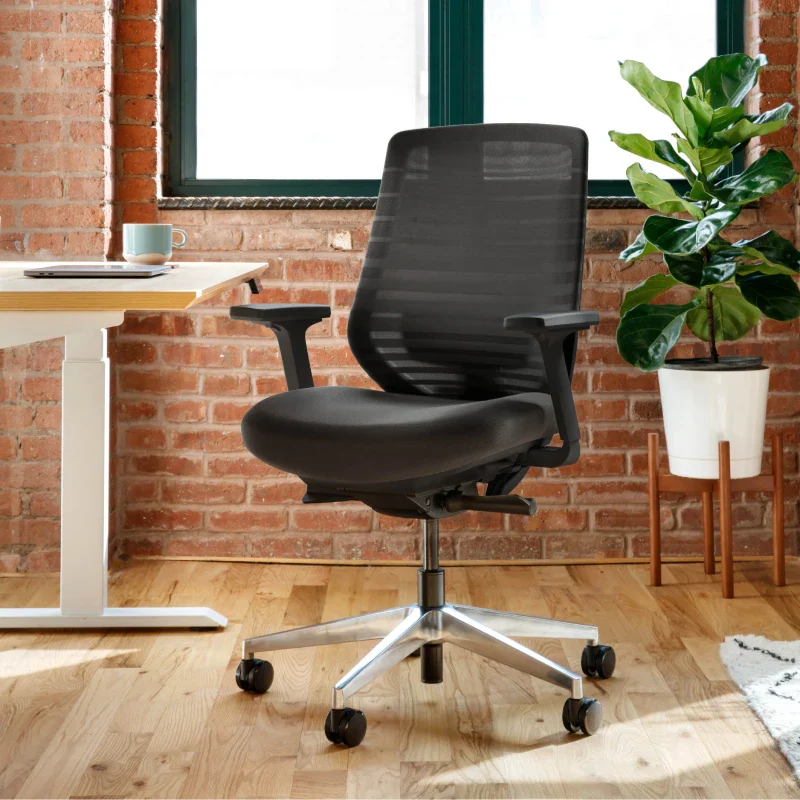
A breathable mesh backrest sits above a thick high-density foam seat, a better combination in a warm room than padded fabric and one that holds its shape far longer than the thin cushions on cheap task chairs. The synchronous mechanism reclines the seat pan and backrest together so the body stays supported through the motion instead of being tipped forward. The removable lumbar rest is the piece reviewers credit most directly with improving posture, and it adjusts in height rather than being moulded in place.
Hard plastic armrests that unlock on their own
The armrests are the real weakness: hard plastic, and prone to unlocking out of their set position when leaned on, which is worse than simple discomfort because you stop trusting them. The seat pan is narrow enough that broader users will notice, the tilt-tension knob is awkward to reach, and the mesh back offers less upper-back contour than chairs that sculpt it. TechRadar still called it an affordable way to improve posture, which is the fair summary.
Rated to 300 pounds at 24 by 25 by 42 inches
The chair takes up to 300 pounds and measures 24 inches deep by 25 wide and 42 high, a footprint that fits a home office without dominating it. Assembly is straightforward and the finish reads as a professional task chair rather than a gaming seat. It does not pretend to be a Herman Miller - the materials are good rather than luxurious - and the savings come out of armrest quality and seat width rather than out of the ergonomic mechanism, which is the right place for a budget chair to economise.
Strengths
- +Eight points of adjustment including height, tilt, tilt tension, seat depth and a removable lumbar rest
- +Breathable mesh back over a thick high-density foam seat
- +Synchronous mechanism reclines the seat pan and backrest together
- +TechGearLab scored it 77 out of 100 - most of a premium chair's adjustability for a fraction of the price
- +Rated to 300 pounds with a footprint that suits a home office
Watch-outs
- −Armrests are hard plastic and can abruptly unlock out of their set position
- −Relatively narrow seat pan that won't suit every body type
- −Tilt-tension adjustment knob is awkward to reach
- −Mesh back, while breathable, offers less upper-back contour than some rivals
How it compares
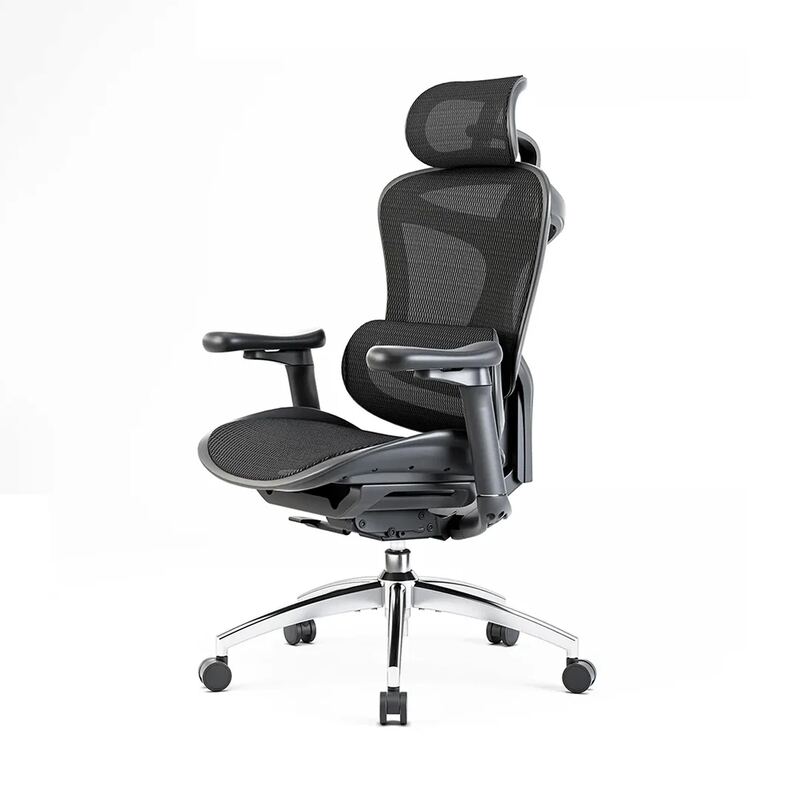
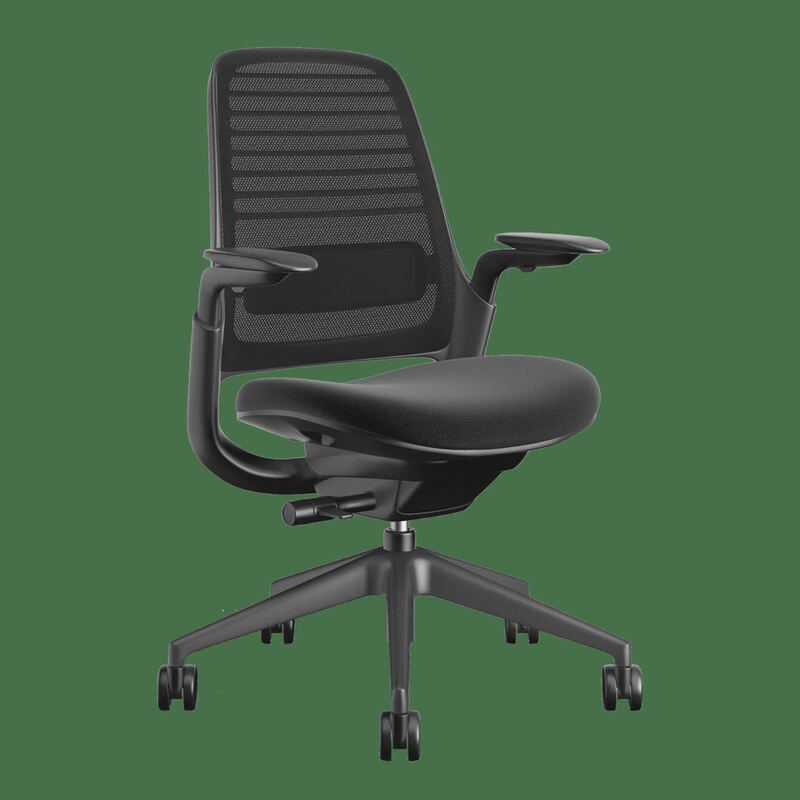
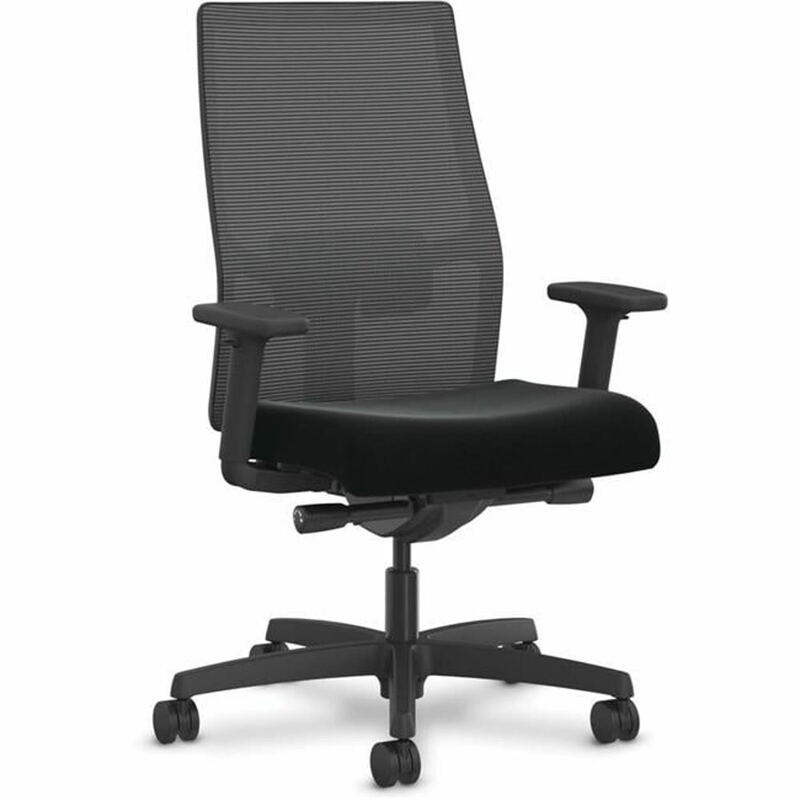
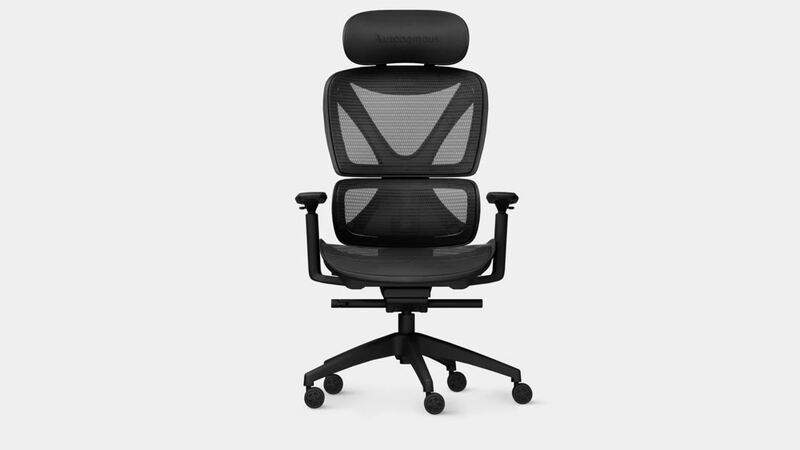
The Branch Ergonomic Chair offers the most adjustment points in this group, edging out the Steelcase Series 1 and HON Ignition 2.0 on raw flexibility while costing far less than premium chairs. Its mesh back and removable lumbar rest are more configurable than the Autonomous ErgoChair Core, though its hard plastic armrests are a step behind the Steelcase Series 1's 4-dimensional arms, and it lacks the headrest and full-mesh airflow of the Sihoo Doro C300.
Rating sources
“Still, for around 25% of the cost of premium chairs, you can get 90% of the adjustability, making this chair a versatile deal.”
“At the higher $389, I still think this is a great value chair.”
“The Branch Ergonomic Chair is an affordable option for those looking to improve their posture while working remotely or at the office.”
Our 4.1 score is the average of these published ratings. More about methodology.