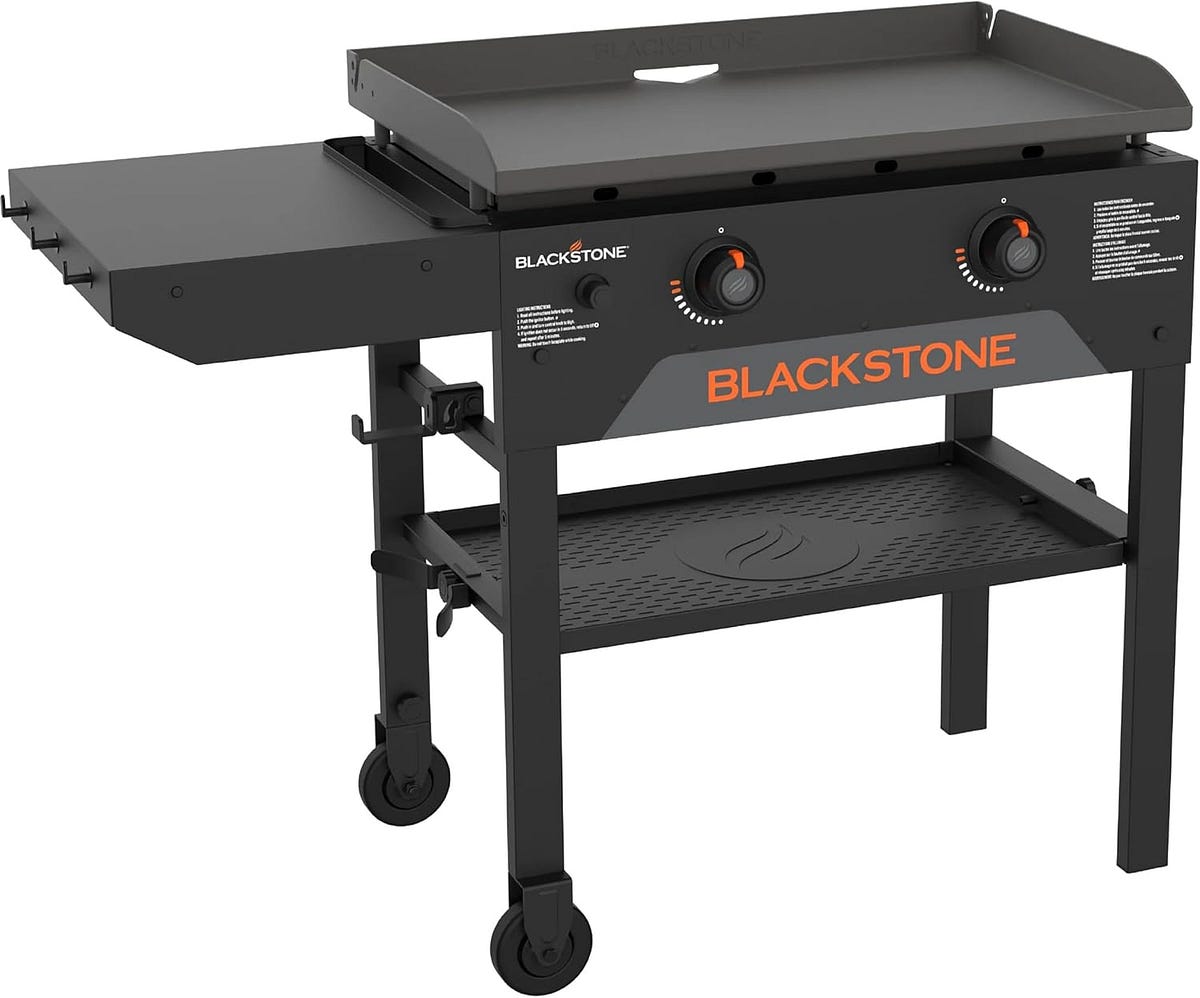
Revsmarts found that the Blackstone Omnivore 28-inch offers a solid, heavy-duty build with independent burners that create versatile heat zones for family meals. The unit includes practical features like built-in wind protection and an efficient rear grease management system to streamline outdoor cooking. However, users note that the carbon steel surface demands consistent seasoning and maintenance to avoid rust, and it may struggle to maintain high searing temperatures when heavily loaded. This griddle is best suited for cooks who enjoy diner-style breakfasts and mixed dishes rather than those seeking a low-maintenance, steakhouse-sear-only experience.
Full review
Heavy-duty steel cooktop and solid frame
The Blackstone Omnivore 28-inch establishes its physical presence through a robust construction that immediately distinguishes it from lighter, more portable griddles. Reviewers consistently note the heavy-duty feel of both the cart and the cooking surface itself. The unit weighs seventy-three pounds, which provides a planted, stable stance on patios or driveways without feeling like an immovable object. This mass prevents the wobble that often plagues cheaper outdoor cooking stations when users are actively scraping food or moving ingredients around during service.
The frame and side shelves contribute to this sense of durability. The powder-coated body resists weathering, while the hinged hood features a reinforced X-braced structure that feels rigid rather than flimsy when opened or closed. This structural integrity matters because it signals long-term reliability for users who plan to cook frequently. The overall aesthetic is simple and functional, prioritizing heavy-gauge steel over flashy design elements. It looks like a tool built for daily use in an outdoor kitchen setup.
Two-burner heat zones and wind guards
The dual independent burners provide the flexibility to manage distinct cooking temperatures simultaneously. Users can maintain a high-heat zone on one side for searing burgers or smashing patties, while keeping the other burner at a lower setting to warm tortillas, melt cheese, or gently cook eggs without burning them. This separation is crucial for preparing complex meals like breakfast platters with bacon, hash browns, and toast all at once. The controls are straightforward rotary knobs that allow precise adjustments without digital interference.
Built-in wind guards around the griddle plate address a common outdoor cooking frustration by shielding the burners from breezes. This design choice helps maintain consistent heat recovery even on windy days, preventing the temperature drops that usually occur when wind disrupts flame stability. The result is more predictable performance and better fuel efficiency. Users report that they do not need to crank the burners to maximum output just to keep the surface hot during typical cooking sessions.
Cooking versatility for mixed meals
The flat top design excels at preparing a wide variety of dishes that would be difficult on a traditional grate-style grill. Smash burgers release easily when properly seasoned, while fajitas and chopped vegetables cook evenly across the large surface area. The twenty-eight-inch cooking space is substantial enough to handle family-sized portions or small gatherings without forcing users to cook in exhausting batches. It accommodates everything from pancakes and eggs for breakfast to quesadillas and fried rice for dinner.
The hood adds another layer of versatility by allowing steam-based cooking techniques. Users can cover the surface to melt cheese on burgers, warm breads quickly, or steam vegetables without adding water directly to the hot steel. This feature transforms the griddle from a simple searing station into a more complete outdoor kitchen appliance. The ability to keep food moving and organized across different heat zones makes it particularly effective for dinner parties where timing is critical.
Heat recovery struggles with heavy loads
Despite the robust burner configuration, the surface exhibits noticeable temperature drops when large quantities of cold food are added simultaneously. Users report that adding a full batch of meat straight from the refrigerator can cause the steel to cool down faster than expected. This thermal inertia requires cooks to manage their workflow carefully, often pulling some items off the hot zone temporarily or adjusting burner settings mid-cook to maintain searing capability.
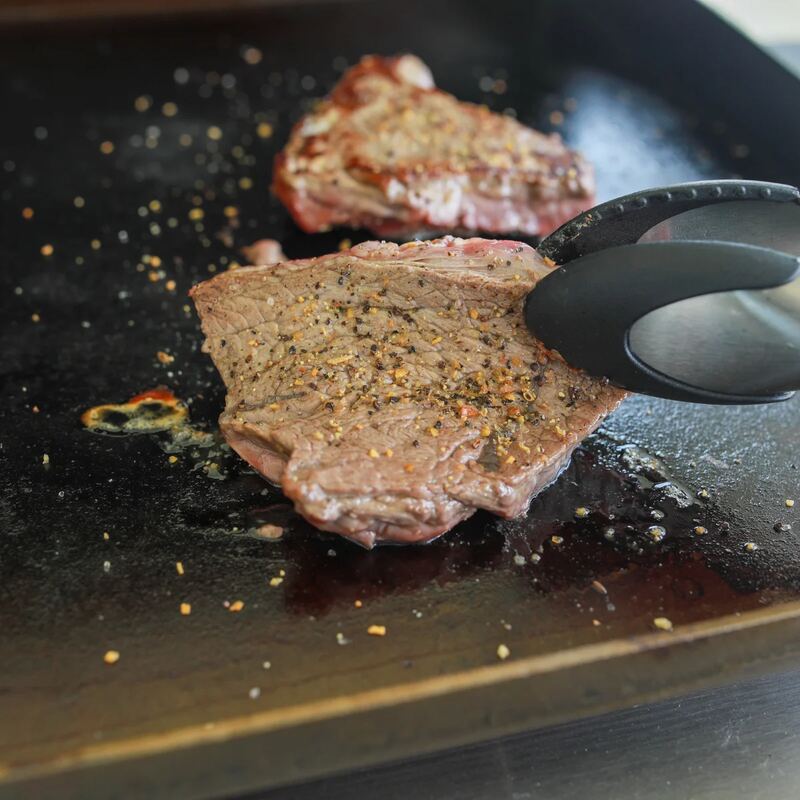
This behavior is particularly noticeable when attempting deep crusts on thin steaks. The flat top can get very hot, but sustaining that intense heat for a proper steakhouse-style sear requires constant attention and movement of the meat. Users who expect grill-grate-like blazing temperatures may find themselves fighting to keep the surface at peak performance. It is less about raw power and more about how the heavy steel mass absorbs and redistributes heat during active cooking.
Seasoning requirements and rust prevention
The carbon steel cooktop demands a consistent maintenance routine to prevent surface rust and ensure non-stick performance. Users must build up the seasoning in layers before regular use, which involves applying oil and heating the surface multiple times until eggs release cleanly and burgers develop a good crust without tearing. Skipping this process or neglecting it over time results in food sticking and uneven cooking.
After each cooking session, the steel requires immediate attention to prevent oxidation. Users are advised to scrape debris while hot, add water for steam cleaning if needed, wipe down the surface, and apply a thin layer of oil before storage. Leaving moisture on the cooktop or skipping this final oiling step can lead to visible rust spots quickly. This maintenance is manageable but requires discipline from users who want long-term performance.
Grease management system simplicity
Cleanup is streamlined by a rear grease management channel that directs oil and food debris into a collection cup. This design eliminates the need to scrape grease across the cooking surface or deal with messy drip trays underneath. Users simply push residue toward the back opening during or after cooking, where it drops directly into the accessible container.
This system makes post-cooking maintenance significantly faster compared to griddles without rear channels. The combination of scraping hot steel and wiping down the surface takes minimal time when grease is already being managed efficiently. This simplicity encourages more frequent use because the cleanup process does not feel like a chore.
Assembly experience and portability
Assembling the unit involves connecting the propane tank, attaching the cart legs, and mounting the heavy griddle plate. While the instructions are clear and parts are labeled, the weight of the cooktop makes it advisable to have a second person assist during setup.
Once assembled, the seventy-three-pound weight keeps the unit stable but limits its portability across rough terrain. It is manageable on flat patios or driveways using the built-in wheels, but dragging it over grass or uneven ground is discouraged. The side shelves provide ample workspace for ingredients and tools during cooking, reducing clutter around the main surface.
Target user scenarios and limitations
This griddle suits households that cook outdoors frequently and want to prepare diverse meals beyond just steaks. Users who enjoy making breakfast in the backyard, cooking for small groups, or preparing mixed dishes like fajitas will find the twenty-eight-inch size ideal. The independent heat zones allow simultaneous preparation of different foods without cross-contamination or temperature compromises.
However, users seeking a completely maintenance-free outdoor appliance should look elsewhere due to the carbon steel requirements. Those who primarily grill steaks on high-heat grates may prefer traditional barbecue setups over flat tops. The Omnivore 28-inch is best for those willing to invest time in seasoning and cleanup in exchange for versatile cooking capabilities and sturdy construction.
Strengths
- +Solid frame and heavy-duty steel cooktop provide a sturdy, planted feel during use.
- +Two independent burners allow for distinct heat zones to cook different foods simultaneously.
- +Built-in wind protection helps maintain consistent heat performance on breezy days.
- +Rear grease management system simplifies cleanup by directing debris into a collection cup.
Watch-outs
- −Requires regular seasoning and oiling of the carbon steel surface to prevent rust.
- −Surface cools down faster than expected when adding large amounts of food at once.
How it compares
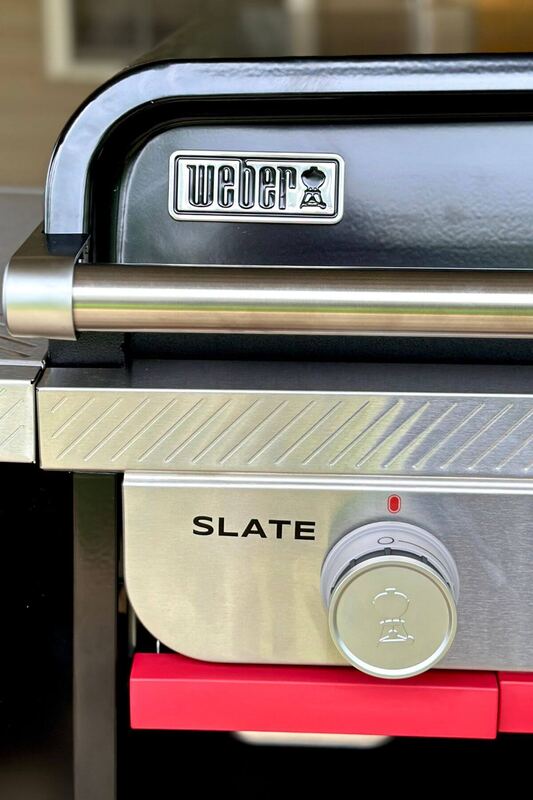
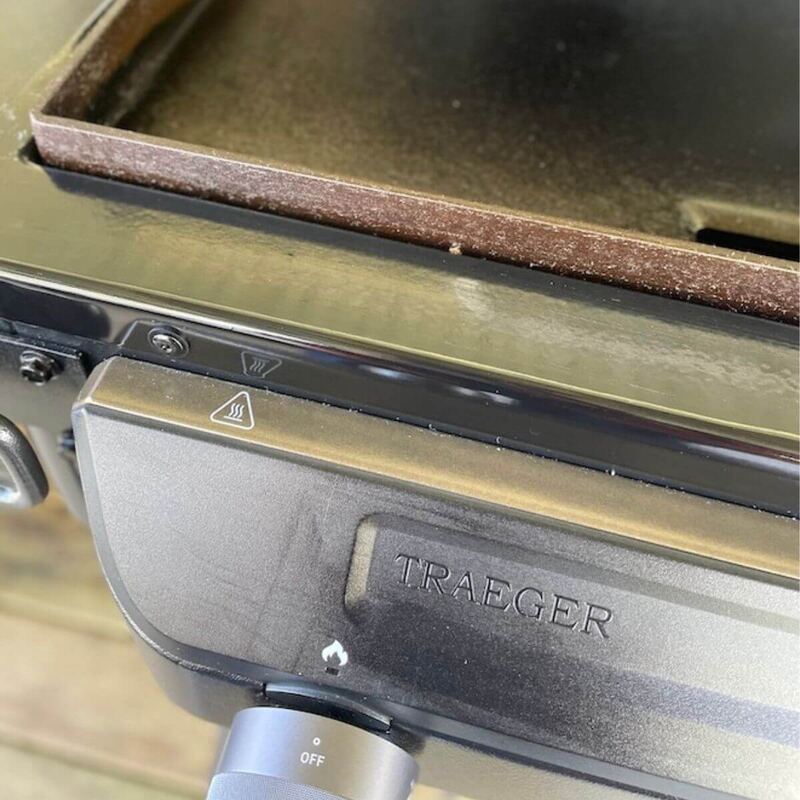
This model provides a lighter, more manageable footprint at 73 lbs compared to the heavy Blackstone 36 Air Fryer Combo (over 200 lbs) and Weber Slate 30 Inch Griddle (145 lbs). While it shares carbon steel maintenance requirements with the Traeger Flatrock, its two independent burners offer less total power than the four-burner setups found in the Blackstone 36 Air Fryer Combo or Weber Slate 36" Rust-Resistant Griddle.
Rating sources
“This griddle feels strongest when it's used for big, practical, flavorful meals.”
“For something like this, I prefer that. It stays focused on doing one job well.”
Our 4.3 score is the average of the 2 scored reviews above; 1 more reviewed it without printing a score and is not in the average. Ratings marked * were derived from the reviewer’s written analysis or video transcript — the publisher didn’t print an explicit numeric score, so we inferred one from their own words. Click through to verify. More about methodology.