OutdoorGearLab found that the zero-drop footbed and closed-cell EVA midsole provide stable, comfortable cushioning suitable for dry-land hiking alongside water activities. The G.ss Rubber outsole delivers reliable traction on wet rocks, while traditional laces allow users to fine-tune fit during extended adventures. Gearjunkie noted that gravel and dirt can become trapped inside due to drainage hole limitations, creating discomfort in sandy environments. At 1.3 lbs with a recycled canvas upper, this durable shoe fits water-to-town use but may not suit those prioritizing rapid drying or debris-free trails.
Full review
Zero-drop stability and EVA cushioning
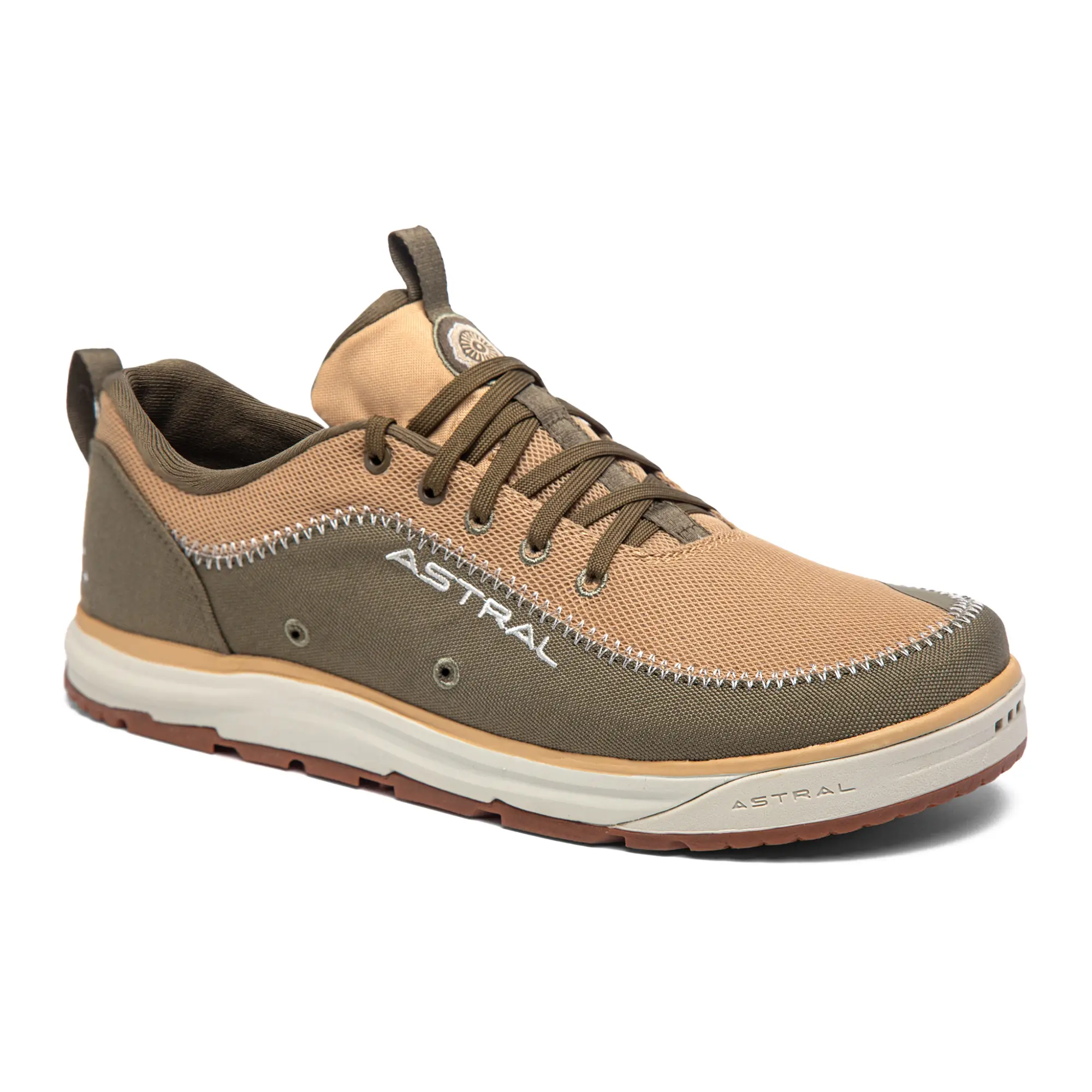
OutdoorGearLab found that the zero-drop footbed of the Astral Brewer 3.0 provides significant stability benefits, particularly when paired with its wider toebox design. This configuration grants ample room for toes and forefoot movement, which is a critical feature for users who prioritize natural foot mechanics over elevated heel support. The structural foundation relies on a midsole constructed from 52C closed-cell EVA foam, a material choice that distinguishes the Brewer 3.0 from many minimalist competitors in its category.
The inclusion of this specific density foam allows the shoe to function effectively as both a water shoe and a dry-land hiking companion. OutdoorGearLab noted that the cushioning is sufficient to support long days on solid ground, offering comfort levels comparable to regular walking shoes despite the minimalist aesthetic. This dual-purpose capability means users do not need to carry separate footwear for river access and subsequent trail exploration.
The traditional lacing system further enhances this stability by allowing precise tension adjustments throughout an adventure. Unlike slip-on designs or bungee cords that offer fixed fit profiles, the standard laces enable wearers to fine-tune snugness as terrain changes or feet swell during extended activity. This adjustability ensures the foot remains secure on slick rocks without creating pressure points that could lead to blisters.
G.ss Rubber traction on wet surfaces
The outsole of the Astral Brewer 3.0 utilizes proprietary G.ss Rubber, a compound designed specifically for high-traction performance in aquatic environments. OutdoorGearLab recorded an 8.8 score for traction, highlighting the shoe's ability to maintain grip on slick rocks and muddy riverbeds where standard footwear would fail. The siped tread pattern channels water away from the contact patch, reducing hydroplaning effects that commonly plague rubber-soled shoes.
Gearjunkie emphasized this traction capability through a high-stakes field scenario involving whitewater paddleboarding. When navigating 3- to 4-foot waves on a deflating board in June high water, the closed-toed design and grippy outsole protected feet from submerged rocks and branches. The ability to tread river bottoms safely without slipping was cited as a primary reason for choosing these shoes over open sandals during rapid sections.
The traction performance extends beyond immediate water contact to include dry land transitions. Users reported wearing the shoes directly from boat ramps to light bike rides or town exploration without needing to change footwear. The G.ss Rubber compound maintains its grip properties whether wet, muddy, or dry, making it a versatile choice for multi-terrain adventures that blend aquatic and terrestrial elements seamlessly.
Recycled canvas construction durability
The upper of the Astral Brewer 3.0 is constructed from 100% recycled canvas quarters combined with breathable recycled mesh on the vamp, tongue, and liner. This material blend provides a durable shell that resists abrasion while maintaining flexibility for natural foot movement. The use of recycled materials aligns with sustainable manufacturing practices without compromising the structural integrity required for rugged water sports.
OutdoorGearLab awarded a 9.0 score for quality of construction, noting the lasting build quality of the Brewer 3.0 compared to previous iterations. The reinforced stitching and robust canvas exterior allow the shoe to withstand repeated exposure to chlorine, saltwater, and UV radiation without significant degradation. This durability supports its classification as a long-term investment for frequent water adventurers.
The aesthetic design leans toward a traditional sneaker silhouette rather than a specialized aquatic shoe, featuring understated earth-tone colors like Typhoon Navy. This visual versatility allows the shoes to be worn in casual settings such as breweries or airports without drawing attention to their technical purpose. The combination of functional materials and conventional styling bridges the gap between performance gear and everyday footwear.
Barefoot comfort improvements over previous models
Astral addressed a significant flaw in the predecessor model, the Brewer 2.0, by eliminating interior stitching that previously caused hot spots and rubbing during barefoot wear. OutdoorGearLab reported that none of their review team members experienced discomfort from internal seams while testing the 3.0 version, marking a major upgrade in user experience for those who prefer wearing water shoes without socks.
The integration of built-in sock liners made from recycled mesh enhances this comfort by providing a soft barrier between the foot and the outer canvas structure. This liner system wicks moisture away from the skin while preventing chafing during extended wear periods. The combination of smooth interior surfaces and breathable materials ensures that feet remain comfortable even after hours of continuous use in warm conditions.
This focus on barefoot comfort does not sacrifice support, as the zero-drop footbed continues to provide a stable platform for the arch and heel. Users can transition from wet river environments to dry land without experiencing the usual discomfort associated with stiff water shoes. The improved interior design makes the Brewer 3.0 a viable option for individuals with sensitive feet who previously avoided minimalist footwear.
Gravel and silt trapping issues
Despite its many strengths, the Astral Brewer 3.0 suffers from a persistent design flaw regarding debris management. OutdoorGearLab noted that gravel, dirt, and silt can become trapped inside the shoe due to limitations in the drainage hole size and placement. This issue is particularly pronounced when walking on dry riverbeds or sandy shores where fine particulate matter easily enters through the mesh panels.
The presence of small rocks and sand inside the shoe creates a grinding sensation that can ruin long hikes or fishing trips. While the front, back, and side drainage holes allow water to escape quickly, they also serve as entry points for abrasive materials that are difficult to remove completely once trapped. Users must frequently stop to shake out their feet or empty the shoes, interrupting the flow of their adventure.
Gearjunkie acknowledged this drawback by noting that it can be hard to wash all sand out of them after beach use. The tight fit around the ankle and heel collar, while beneficial for stability, exacerbates the problem by preventing debris from falling out naturally during movement. This limitation makes the shoes less ideal for environments with loose gravel or fine silt unless users are willing to tolerate occasional discomfort.
Drying speed and weight considerations
OutdoorGearLab recorded this weight as part of their comprehensive testing protocol, noting that the additional mass comes from the durable canvas upper and substantial EVA midsole. This weight penalty is the trade-off for the enhanced dry-land comfort and protection offered by the shoe.
While the shoe drains water effectively through its multiple drainage points, it is not among the fastest to dry completely after submersion. Users engaging in multi-day river trips may need to rotate footwear or use artificial drying methods to ensure comfort for subsequent days.
The 52C closed-cell EVA foam midsole retains some water weight but does not become saturated itself, maintaining its cushioning properties even when wet. This characteristic ensures consistent performance regardless of how long the shoes have been submerged. However, the overall dry time remains a consideration for travelers who prioritize lightweight gear and rapid turnaround between activities.
Strengths
- +Zero-drop footbed and closed-cell EVA midsole provide stable, comfortable cushioning for dry-land hiking.
- +G.ss Rubber outsole with siped tread delivers reliable traction on wet rocks and slick surfaces.
- +Traditional lacing system allows users to fine-tune the fit and adjust tension during activities.
- +Constructed from 100% recycled canvas and mesh, making it a durable and versatile option for water-to-town use.
Watch-outs
- −Gravel, silt, and sand can become trapped inside the shoe due to drainage hole size limitations.
- −Gravel and dirt can get trapped inside
How it compares
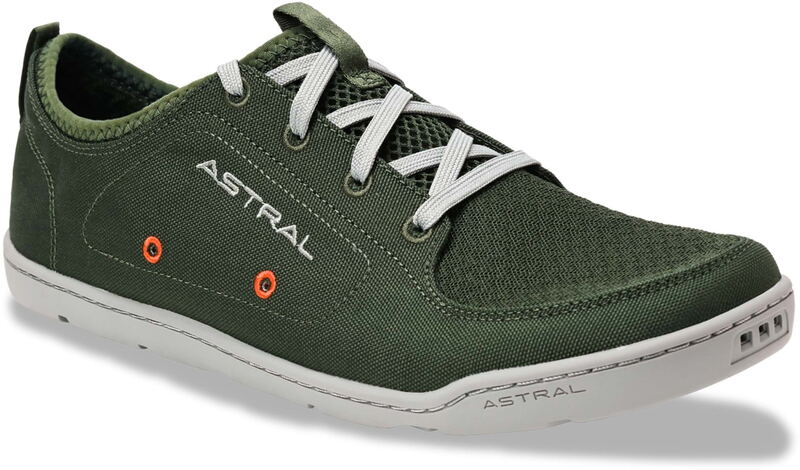
While both feature EVA midsoles, the Brewer's closed-cell construction provides stable cushioning for dry-land hiking that contrasts with the Loyak’s minimalist zero-drop design which lacks structured arch support.
Rating sources
Counts as 4.56/5 in our score — this publisher's 149 scores on the site average 3.69, so its scores are adjusted up to compare fairly with other publishers.
Counts as 4.72/5 in our score — this publisher's 45 scores on the site average 4.03, so its scores are adjusted up to compare fairly with other publishers.
Our 4.7 score is the average of the 3 scored reviews above, each adjusted for how strictly its publisher scores; 1 more reviewed it without printing a score and is not in the average. More about methodology.