Verdict
Head-to-head · Best Wireless Running Headphones Under $200

JBL Endurance Peak 3 vs Shokz OpenRun Pro 2

Which is the better buy? Side-by-side on rating, price, strengths, and watch-outs — with the published ratings we averaged to get there.

Verdict is reader-supported. As an Amazon Associate we earn from qualifying purchases. Some links on this page are affiliate links — if you click through and buy, we may earn a small commission at no extra cost to you. Our ratings are sourced from independent publications, not sponsors.
The short answer

Shokz OpenRun Pro 2 comes out ahead by a narrow margin (4.1 vs 3.9). Shokz OpenRun Pro 2 is best for: Best for road runners prioritizing situational awareness via bone conduction. Read the strengths below before deciding.

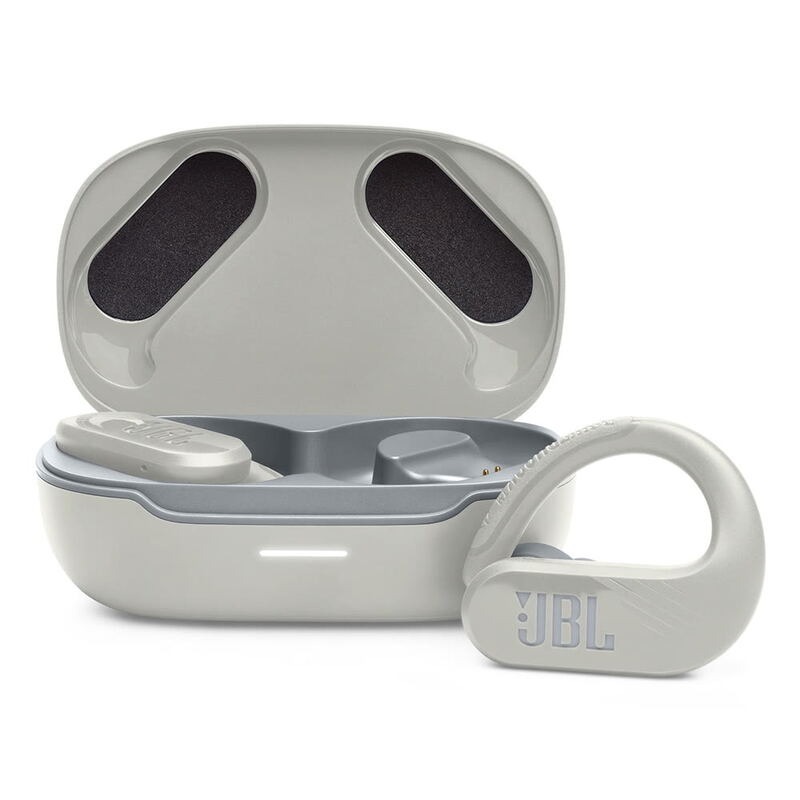
JBL Endurance Peak 3
Ranked #5 in Best Wireless Running Headphones Under $200
JBL Endurance Peak 3
5 sources$79.95as of Oct 31

PCMag gave the JBL Endurance Peak 3 an Editors' Choice, citing rugged IP68 durability and the secure fit the wireless wingtips provide. Sound quality is merely average, with less refined bass than higher-end models, but as a workout companion these hold up. The 10-hour battery life plus the included charging case covers daily use with room to spare. Athletes who put security and durability ahead of audiophile-grade sound are the fit; casual listeners who want noise cancellation should look elsewhere.

Strengths
  • — IP68 rating ensures complete dust and water resistance for intense workouts
  • — Wireless wingtips provide a secure fit that stays in place during vigorous activity
  • — Offers up to 10 hours of battery life on a single charge
Watch-outs
  • — Sound quality is described as average with muddy bass compared to premium competitors
  • — Lacks active noise cancellation, relying only on passive isolation
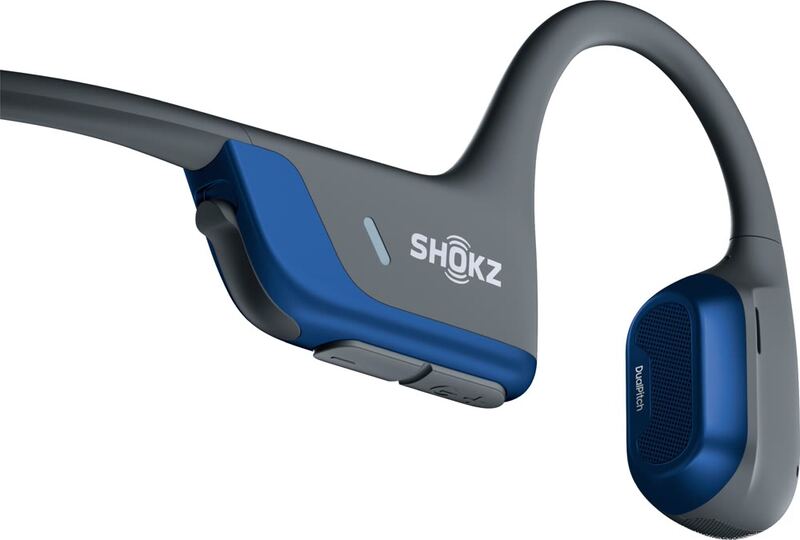
Shokz OpenRun Pro 2
Higher ratedRanked #4 in Best Wireless Running Headphones Under $200
Shokz OpenRun Pro 2
6 sources$179.95as of Oct 22

Bone conduction with sound worth listening to is the pitch, and CNET's 8.6 out of 10 says it mostly lands. The OpenRun Pro 2 adds an air-conduction driver to the usual cheekbone transducers, which is what finally gives the category some bass. It weighs 26 grams, runs 14 hours and leaves your ears open to traffic. What Hi-Fi was the dissenter at 3 out of 5, and the $179.95 price is the other sticking point.

Strengths
  • — Significantly improved audio quality with deeper bass and clearer mids compared to previous bone-conduction models, per CNET
  • — Lightweight and secure fit that stays in place during intense running and movement, as CNET found
  • — Open-ear design allows users to hear ambient traffic and surroundings for safety, according to SoundGuys
Watch-outs
  • — At $179.95 it costs considerably more than Shokz's own single-driver OpenRun
  • — The open-ear design leaks audible sound at high volume and isolates nothing
  • — IP55 covers sweat and rain but not swimming, as TechRadar notes

How they stack up

JBL Endurance Peak 3

The JBL Endurance Peak 3 matches the IP68 rating of the Anker Soundcore Sport X20 but has no active noise cancellation, which the Anker and the Beats Fit Pro both include. Its 10-hour battery is longer than the Beats Fit Pro's 7 hours and shorter than the 14 hours of the Shokz OpenRun Pro 2. It costs less than the Beats and the Shokz.

Shokz OpenRun Pro 2

The Shokz OpenRun Pro 2 uses bone conduction with an open-ear design that lets traffic noise in, where the Beats Fit Pro offers active noise cancellation and the JBL Endurance Peak 3 relies on passive isolation. Its 14-hour battery outlasts the Beats Fit Pro's 7 hours and the JBL's 10. Its IP55 rating is below the JBL's IP68, and it costs more than the Beats.

Specs side-by-side

SpecJBL Endurance Peak 3Shokz OpenRun Pro 2
Driver Size12mm11mm
Water ResistanceIP68IP55
Battery Life10 hours14 hours
Bluetooth VersionBluetooth 5.2Bluetooth
Weight14.5g26g
Fit TypeWireless wingtipsBone Conduction
Bluetooth—5.3 + multipoint
Codecs—SBC, AAC
Mic—Dual noise-canceling
Frequency Response—20 Hz - 20 kHz
Warranty—2-year
← See the full ranking of best wireless running headphones under $200