Verdict
Head-to-head · Best USB-C Microphones for Podcasting

HyperX QuadCast 2 vs RØDE PodMic USB

Which is the better buy? Side-by-side on rating, price, strengths, and watch-outs — with the published ratings we averaged to get there.

The short answer

RØDE PodMic USB comes out ahead by a narrow margin (4.3 vs 4.6). The gap is mostly about podcasters who want the Shure MV7+ feature set for less, and who don't need the LED touch panel or MOTIV app polish — read the strengths below before deciding.

HyperX QuadCast 2
Ranked #5 in Best USB-C Microphones for Podcasting
HyperX QuadCast 2
$140

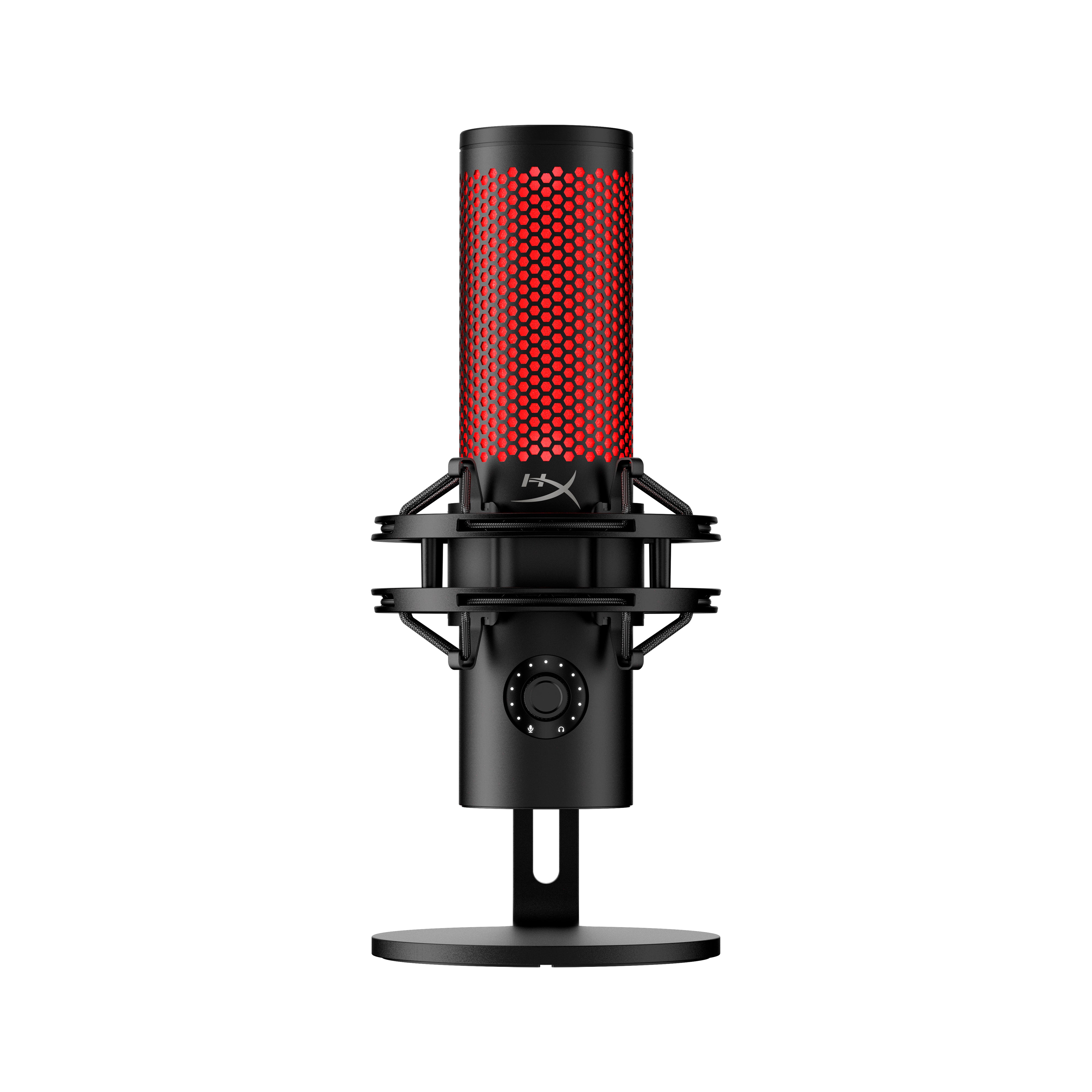
The QuadCast 2 is the gamer-podcaster crossover pick. Four polar patterns make it the only mic in this lineup that genuinely handles interview/co-host layouts in stereo or bidirectional modes without a second mic. The HyperX gaming aesthetic and tap-to-mute LED are polarizing — they're either exactly your thing or not. At $140, it's competitive with the Audio-Technica AT2020USB-X but with more flexibility on pickup pattern.

Strengths
  • Four selectable polar patterns (cardioid, omni, bidirectional, stereo) — versatile for solo or co-host setups
  • USB-C connectivity with included USB-C to USB-A adapter cable
  • Tap-to-mute sensor with LED indicator — visible mute state
Watch-outs
  • Gaming-aesthetic body is louder visually than the Shure MV7+, RØDE PodMic USB, or AT2020USB-X
  • Condenser capsule is sensitive to room noise — not ideal for untreated spaces
  • QuadCast 2 S adds RGB but commands a premium
RØDE PodMic USB
Higher ratedRanked #2 in Best USB-C Microphones for Podcasting
RØDE PodMic USB
$199

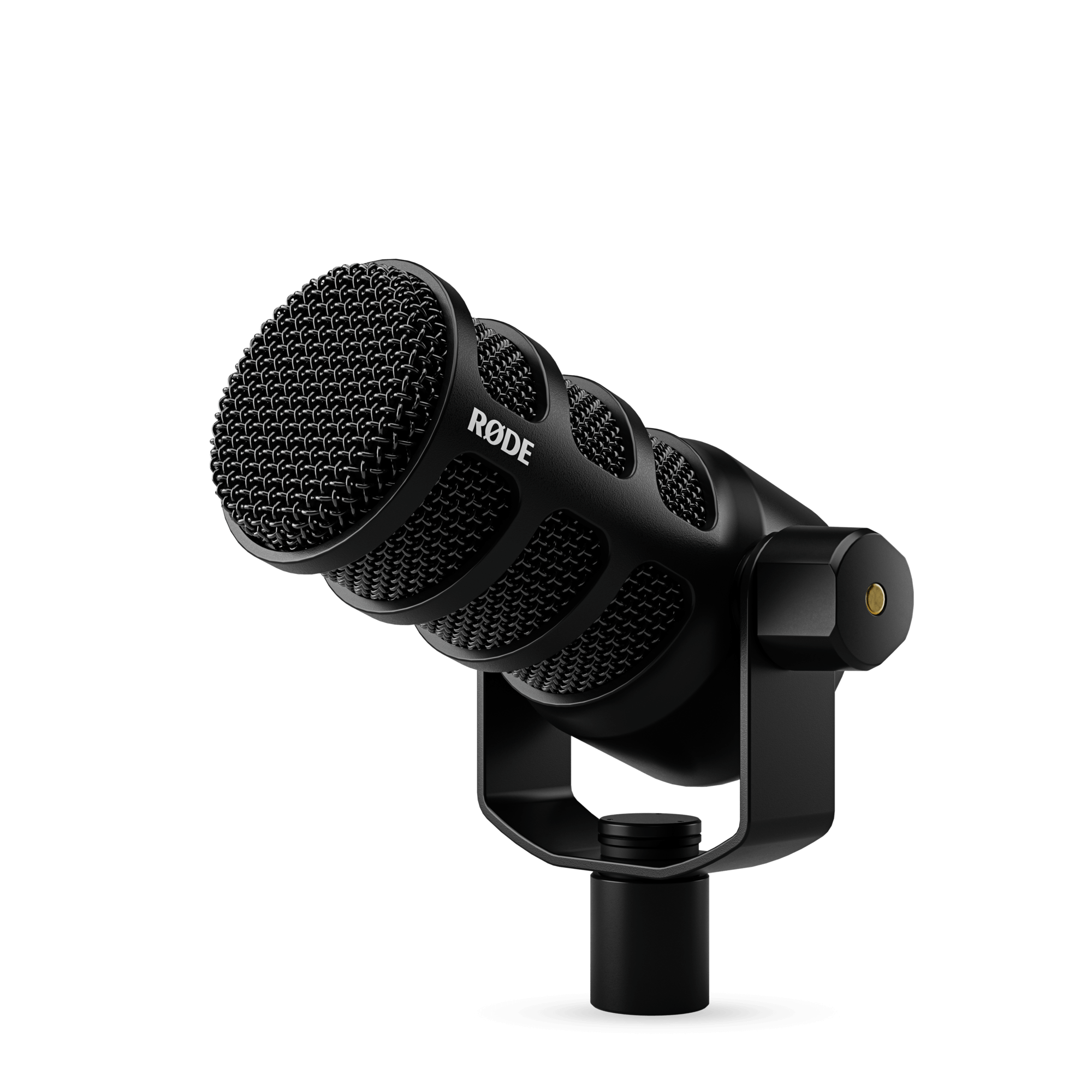
The PodMic USB is the value broadcast-dynamic pick. RØDE built a USB-C version of their popular PodMic and added their Revolution Preamp with APHEX DSP, which gives the warm, polished tone podcasters want without expensive post-processing. Hybrid USB-C/XLR matches the Shure MV7+ for upgradability at $80 less. The trade-off is less mature companion software — but you can ignore that if you're recording into Audacity or Ableton anyway.

Strengths
  • Hybrid USB-C and XLR connectivity — same upgrade path as the Shure MV7+ at a lower price
  • Broadcast-style dynamic capsule with internal pop filter and shockmount
  • Revolution Preamp™ with APHEX digital signal processing — warm, polished tone out of the box
Watch-outs
  • DSP customization via RØDE Central is less mature than Shure's MOTIV Mix app
  • No LED touch panel like the Shure MV7+
  • Internal shockmount limits mounting flexibility — designed for a boom arm setup

How they stack up

HyperX QuadCast 2

Only pick here with four polar patterns — beats the Shure MV7+, RØDE PodMic USB, Elgato Wave:3, and Audio-Technica AT2020USB-X (all cardioid-only) on pickup-pattern flexibility. Loses to the Shure MV7+ on dynamic rejection of room noise and to the Elgato Wave:3 on companion software.

RØDE PodMic USB

Closest competitor to the Shure MV7+ on capability — also dynamic, also hybrid USB-C/XLR, also DSP-equipped. Beats the Shure on price ($199 vs $279) but loses on software polish and lacks the LED touch panel. More podcaster-aesthetic than the Elgato Wave:3, Audio-Technica AT2020USB-X, or HyperX QuadCast 2 (all condensers).

Specs side-by-side

SpecHyperX QuadCast 2RØDE PodMic USB
CapsuleCondenser, 4 polar patternsDynamic, cardioid
Polar PatternsCardioid, Omni, Bidirectional, Stereo
ConnectivityUSB-C (USB-A adapter included)USB-C + XLR
Resolution24-bit / 96 kHz24-bit / 48 kHz
MuteTap-to-mute with LED
Shock MountBuilt-in (removable)Built-in
Pop FilterYes (internal)Yes (internal)
Frequency Response20 Hz - 20 kHz20 Hz - 20 kHz
Max SPL120 dB148 dB
Headphone OutputYes (3.5 mm)Yes (zero-latency)
DSPHyperX NGENUITY softwareRevolution Preamp + APHEX Aural Exciter / Big Bottom
← See the full ranking of best usb-c microphones for podcasting