Verdict
Head-to-head · Best USB-C Microphones for Podcasting

Audio-Technica AT2020USB-X vs Shure MV7+

Which is the better buy? Side-by-side on rating, price, strengths, and watch-outs — with the published ratings we averaged to get there.

The short answer

Shure MV7+ comes out ahead by a narrow margin (4.4 vs 4.7). The gap is mostly about serious podcasters and content creators who want a broadcast-grade dynamic with both USB-C convenience and XLR upgradability — read the strengths below before deciding.

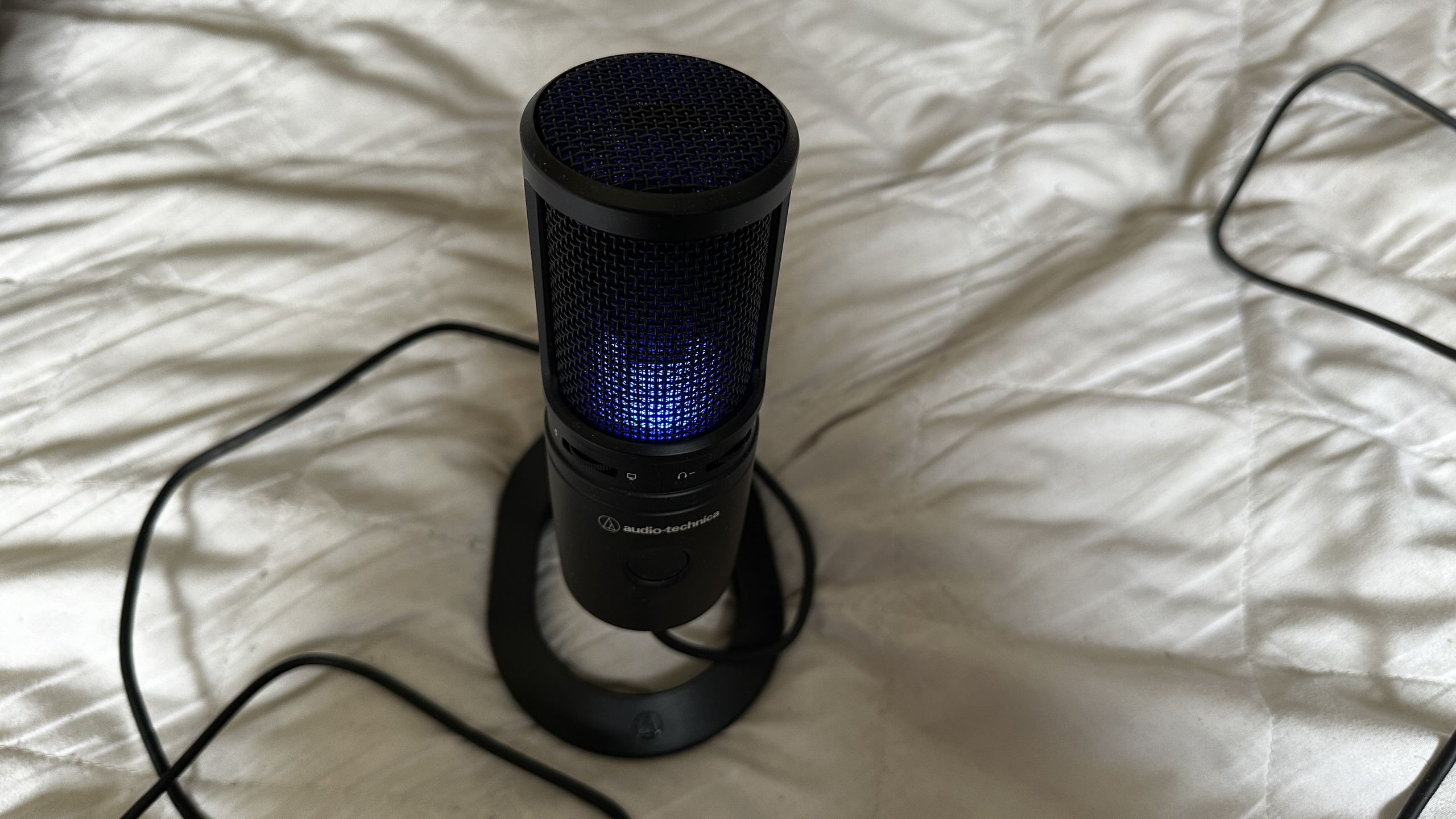
Audio-Technica AT2020USB-X
Ranked #4 in Best USB-C Microphones for Podcasting
Audio-Technica AT2020USB-X
$149

The AT2020USB-X is the value condenser pick. Audio-Technica took their classic AT2020 condenser capsule, added USB-C, a headphone monitor jack, and a touch mute — and priced it well below the Elgato Wave:3 and Shure MV7+. For solo podcasters working in a quiet room, it delivers genuinely clean audio at a price that doesn't require a software ecosystem buy-in. TechRadar called it 'simple for stellar streaming' — the lack of DSP software is a feature, not a bug.

Strengths
  • 24-bit/96 kHz resolution via the AT2020 condenser capsule — better than most $150 USB mics
  • Touch-sensitive mute button and headphone jack with mix control
  • Stable, weighted desk stand included — no need to buy a separate mount immediately
Watch-outs
  • USB-only — no XLR upgrade path like the Shure MV7+ or RØDE PodMic USB
  • No companion software for DSP processing
  • Plastic desk stand can be a vibration carrier — boom arm recommended for serious use
Shure MV7+
Higher ratedRanked #1 in Best USB-C Microphones for Podcasting
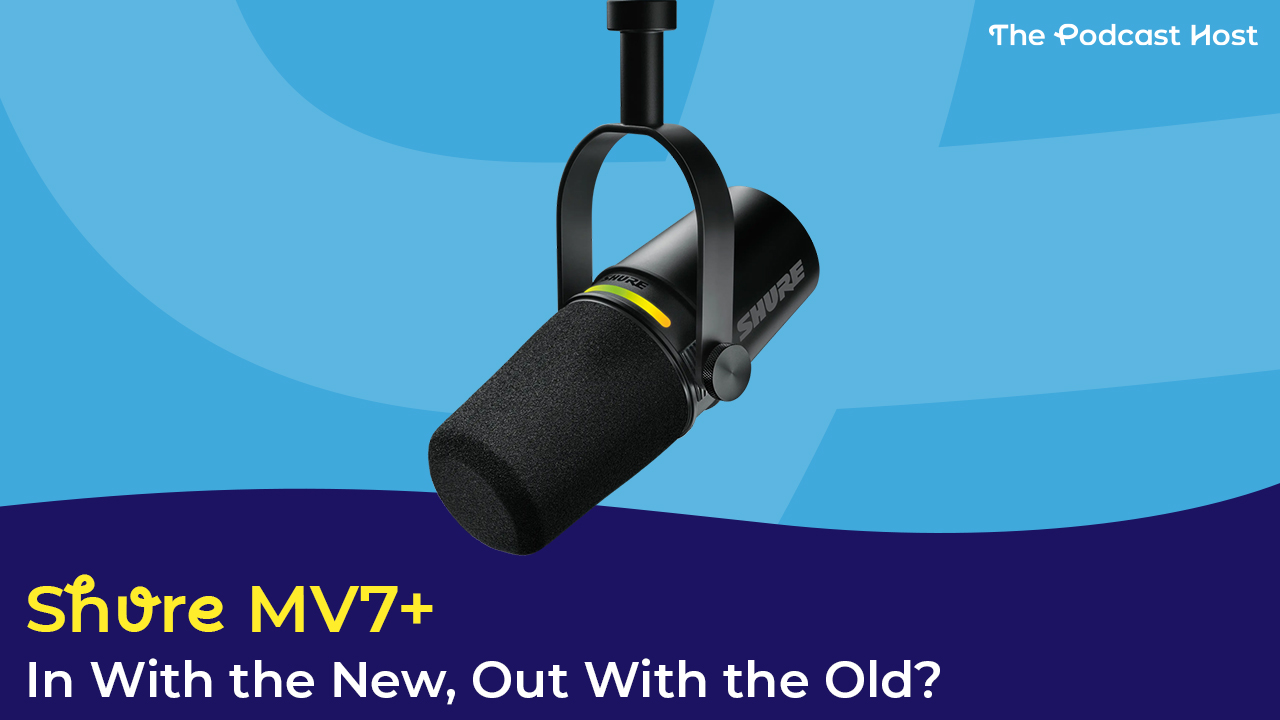
Shure MV7+
$279

The MV7+ is the broadcast-grade pick. Hybrid USB-C/XLR connectivity means you can plug it into a laptop on day one and route it through an audio interface on day 365 — no need to repurchase. The Auto Level mode and DSP-driven Denoiser are genuinely useful for beginners recording in untreated rooms. Podcastage and GamesRadar both name it the best dynamic USB mic of 2026; the price reflects the build and the future-proof I/O.

Strengths
  • Hybrid USB-C and XLR outputs — start on USB-C, upgrade to XLR later without replacing the mic
  • Auto Level Mode with real-time Denoiser and reverb effects
  • Customizable LED touch panel with 16.8M color options and tap-to-mute control
Watch-outs
  • Most expensive USB-C podcast mic in this round-up
  • Heavier than the Audio-Technica AT2020USB-X or HyperX QuadCast 2 — needs a sturdy boom arm
  • Dynamic capsule needs close-mic technique to sound full

How they stack up

Audio-Technica AT2020USB-X

Cheapest condenser in this lineup that doesn't compromise on capsule quality. Closest to the Elgato Wave:3 on tonal character but without the Wave Link ecosystem. Loses to the Shure MV7+ and RØDE PodMic USB on hybrid I/O. Cheaper and simpler than the HyperX QuadCast 2 — no RGB or polar-pattern switching.

Shure MV7+

Most capable mic in this round-up — hybrid USB-C/XLR I/O sets it apart from the Elgato Wave:3, Audio-Technica AT2020USB-X, and HyperX QuadCast 2 (USB-only). Shares the hybrid I/O story with the RØDE PodMic USB but adds the more polished DSP and touch panel. Pricier than every other pick here.

Specs side-by-side

SpecAudio-Technica AT2020USB-XShure MV7+
CapsuleCondenser, cardioidDynamic, cardioid
ConnectivityUSB-C (USB-A adapter included)USB-C + XLR
Resolution24-bit / 96 kHz24-bit / 48 kHz
Headphone OutputYes (volume + mix control)Yes (3.5 mm)
MuteTouch-sensitiveTouch-to-mute LED bar
Desk StandIncluded
Frequency Response20 Hz - 20 kHz50 Hz - 16 kHz
Max SPL144 dB128 dB (USB)
DSPNone (analog signal chain)Auto Level, Denoiser, reverb, digital pop filter
← See the full ranking of best usb-c microphones for podcasting