Fujifilm X-T5 vs Sony A7 IV
Which is the better pick? We compared ratings from professional reviewers to help you decide.
Quick verdict
Fujifilm X-T5
Sony A7 IV
Fujifilm X-T5 scores higher with a 4.5/5 average across professional reviews from 1 sources.
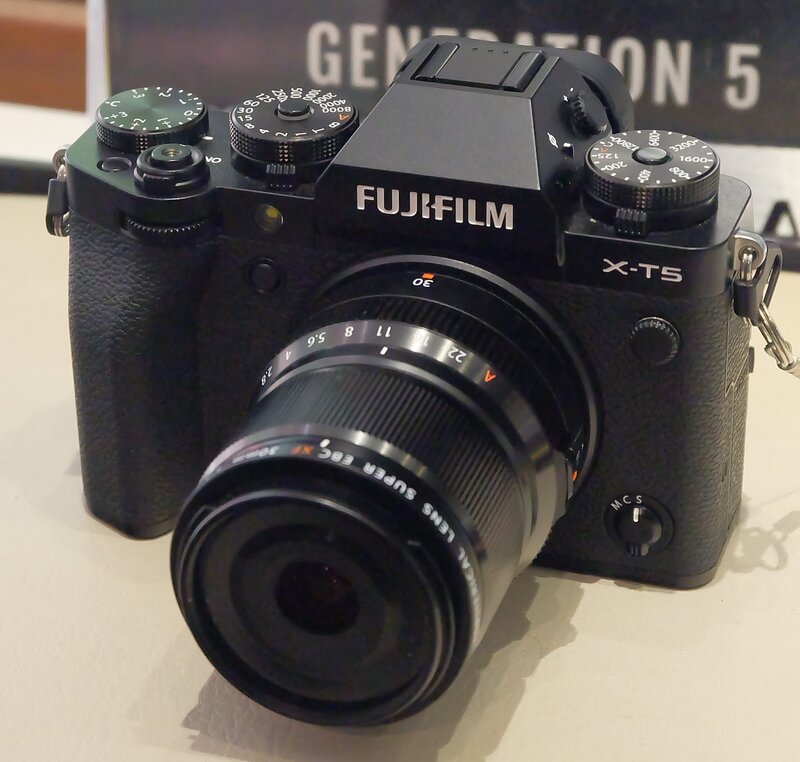
The Fujifilm X-T5 is a photography-focused camera that successfully merges a flagship-level 40MP sensor with a classic design featuring physical dials and a versatile tilting screen. While it excels in still image quality and stabilization, its video capabilities are somewhat constrained by aggressive thermal throttling and a lack of ProRes support compared to its hybrid sibling, the X-H2.
Strengths
- +Features a high-resolution 40MP BSI CMOS sensor that delivers image quality identical to the flagship X-H2.
- +Includes a two-axis tilting rear screen that facilitates comfortable off-axis composition in both landscape and portrait orientations.
- +Offers robust in-body stabilization rated at up to 7.0EV, matching the stabilization capabilities of the X-H2.
- +Retains traditional physical control dials, appealing to photographers who prefer tactile camera operation.
- +Supports a 20-shot pixel-shift mode to create 160MP composite images for maximum detail in static subjects.
Watch-outs
- −Video recording duration is limited to 90 minutes for 6.2K/30p and 60 minutes for 4K/60p, with performance dropping significantly at higher temperatures.
- −The 6.2K video capture utilizes a 1.23x crop of the sensor, and the camera lacks ProRes recording options found on the X-H2.
- −The pixel-shift high-resolution mode has no motion correction, restricting its use to completely static subjects.
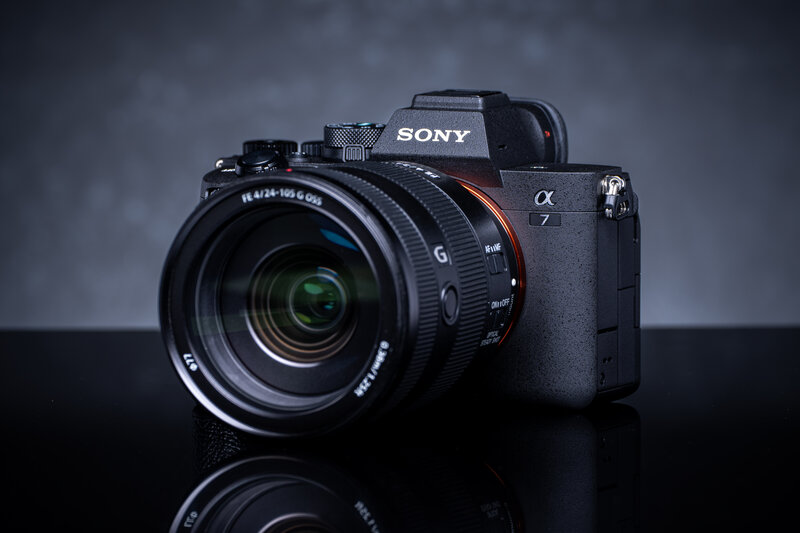
The Sony A7 IV is a highly capable hybrid camera that successfully bridges the gap between high-resolution photography and professional video production. Its standout features include a significantly upgraded autofocus system with reliable subject tracking and a versatile 33MP sensor, though users should be aware of the trade-offs between burst speed and image quality in Raw mode. While the price is higher than its predecessor, the comprehensive feature set makes it a compelling upgrade for enthusiasts and professionals alike.
Strengths
- +Significant autofocus improvements including seamless switching between human, animal, and bird eye detection for both stills and video.
- +New 33MP BSI-CMOS sensor provides higher resolution and detail compared to the previous 24MP model while maintaining 10fps burst shooting.
- +Enhanced video capabilities featuring full-width oversampled 4K from 7K, 4K/60p in APS-C mode, and a dedicated movie mode switch.
- +In-body stabilization rated up to 5.5 stops and a high-resolution 3.69M dot OLED viewfinder improve handling and composition.
- +Practical dual card slot configuration supporting CFexpress Type A and UHS-II SD cards for professional workflow flexibility.
Watch-outs
- −Shooting uncompressed Raw at 10fps requires lossy compression which damages image quality, while lossless compression drops the speed to 6fps.
- −Silent shutter mode causes significant rolling shutter distortion on moving subjects due to a slow 1/15 second full-sensor readout time.
- −The camera's price increased by $500 compared to the launch price of the a7 III, raising the entry cost for this generation.
Specifications comparison
| Spec | Fujifilm X-T5 | Sony A7 IV |
|---|---|---|
| Sensor | 40.2MP APS-C | 33MP Full-Frame |
| ISO Range | 125-12800 | 100-51200 |
| Video | 6.2K 30fps | 4K 60fps |
| Stabilization | 7-stop IBIS | 5.5-stop IBIS |
| Weight | 557g (body) | 658g (body) |
| Storage | Dual SD UHS-II | CF Express + SD |