Canon R6 II vs Sony A7 IV
Which is the better pick? We compared ratings from professional reviewers to help you decide.
Quick verdict
Canon R6 II
Sony A7 IV
Canon R6 II scores higher with a 4.5/5 average across professional reviews from 2 sources.
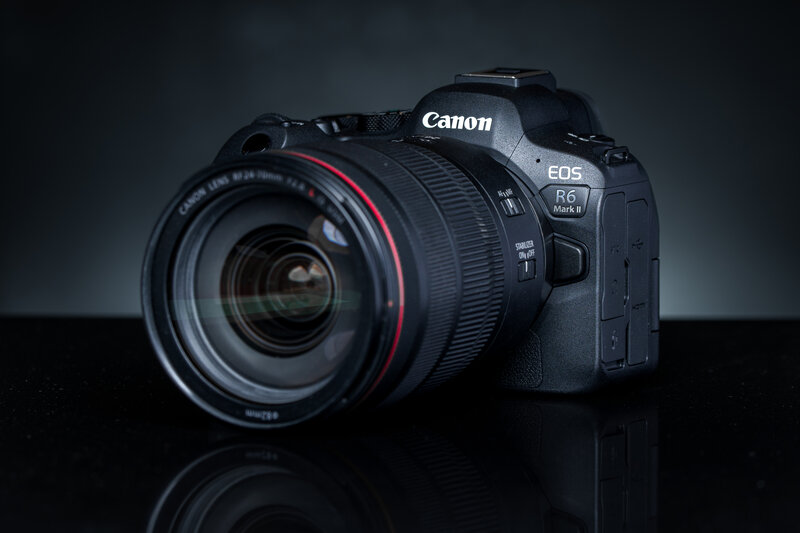
The Canon EOS R6 Mark II is a significant upgrade that resolves the original model's video limitations by offering uncropped 4K/60p recording and vastly improved thermal management. It introduces specialized autofocus capabilities for vehicles and animals, making it a versatile tool for both enthusiast photographers and hybrid shooters. While it lacks the flagship's eye-control feature, its refined handling and expanded burst speeds make it a compelling choice for dynamic shooting scenarios.
Strengths
- +Captures oversampled 4K/60p video using the full sensor width without the crop found on the predecessor
- +New 'vehicle' subject tracking mode specifically optimized for motorsports, cars, and aircraft
- +Improved thermal performance allows for extended recording times, with tests showing over an hour of 4K/60p capture
- +Electronic shutter burst rate increased to 40fps with pre-capture RAW burst functionality
- +Enhanced autofocus includes dedicated horse and zebra detection with eye and head tracking
Watch-outs
- −Lacks the eye-controlled autofocus system found in the flagship EOS R3
- −Full HD slow-motion footage at 180fps is not oversampled, resulting in lower quality compared to 4K modes
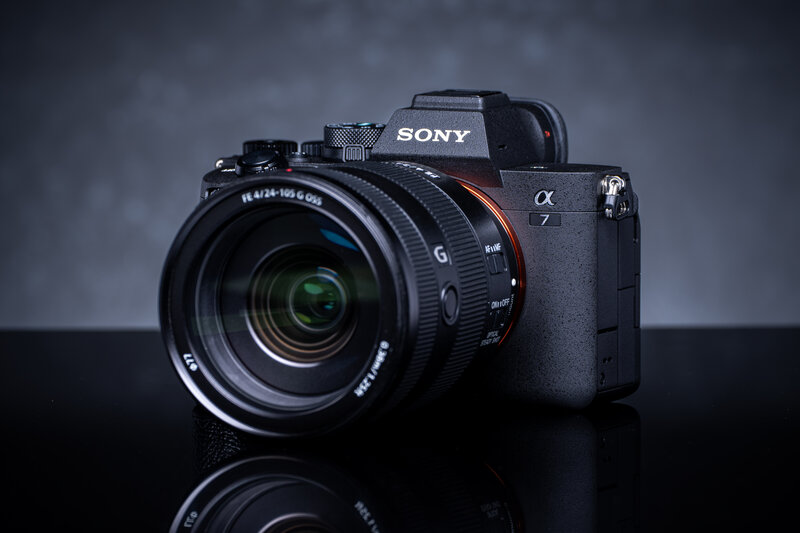
The Sony A7 IV is a highly capable hybrid camera that successfully bridges the gap between high-resolution photography and professional video production. Its standout features include a significantly upgraded autofocus system with reliable subject tracking and a versatile 33MP sensor, though users should be aware of the trade-offs between burst speed and image quality in Raw mode. While the price is higher than its predecessor, the comprehensive feature set makes it a compelling upgrade for enthusiasts and professionals alike.
Strengths
- +Significant autofocus improvements including seamless switching between human, animal, and bird eye detection for both stills and video.
- +New 33MP BSI-CMOS sensor provides higher resolution and detail compared to the previous 24MP model while maintaining 10fps burst shooting.
- +Enhanced video capabilities featuring full-width oversampled 4K from 7K, 4K/60p in APS-C mode, and a dedicated movie mode switch.
- +In-body stabilization rated up to 5.5 stops and a high-resolution 3.69M dot OLED viewfinder improve handling and composition.
- +Practical dual card slot configuration supporting CFexpress Type A and UHS-II SD cards for professional workflow flexibility.
Watch-outs
- −Shooting uncompressed Raw at 10fps requires lossy compression which damages image quality, while lossless compression drops the speed to 6fps.
- −Silent shutter mode causes significant rolling shutter distortion on moving subjects due to a slow 1/15 second full-sensor readout time.
- −The camera's price increased by $500 compared to the launch price of the a7 III, raising the entry cost for this generation.
Specifications comparison
| Spec | Canon R6 II | Sony A7 IV |
|---|---|---|
| Sensor | 24.2MP Full-Frame | 33MP Full-Frame |
| ISO Range | 100-102400 | 100-51200 |
| Video | 4K 60fps | 4K 60fps |
| Stabilization | 8-stop IBIS | 5.5-stop IBIS |
| Weight | 670g (body) | 658g (body) |
| Storage | Dual SD UHS-II | CF Express + SD |