Canon R6 II vs Fujifilm X-T5
Which is the better pick? We compared ratings from professional reviewers to help you decide.
Quick verdict
Canon R6 II
Fujifilm X-T5
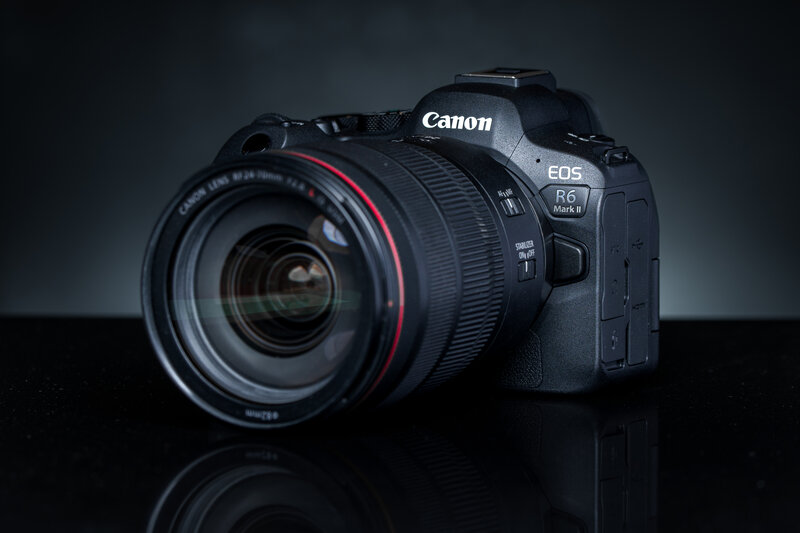
The Canon EOS R6 Mark II is a significant upgrade that resolves the original model's video limitations by offering uncropped 4K/60p recording and vastly improved thermal management. It introduces specialized autofocus capabilities for vehicles and animals, making it a versatile tool for both enthusiast photographers and hybrid shooters. While it lacks the flagship's eye-control feature, its refined handling and expanded burst speeds make it a compelling choice for dynamic shooting scenarios.
Strengths
- +Captures oversampled 4K/60p video using the full sensor width without the crop found on the predecessor
- +New 'vehicle' subject tracking mode specifically optimized for motorsports, cars, and aircraft
- +Improved thermal performance allows for extended recording times, with tests showing over an hour of 4K/60p capture
- +Electronic shutter burst rate increased to 40fps with pre-capture RAW burst functionality
- +Enhanced autofocus includes dedicated horse and zebra detection with eye and head tracking
Watch-outs
- −Lacks the eye-controlled autofocus system found in the flagship EOS R3
- −Full HD slow-motion footage at 180fps is not oversampled, resulting in lower quality compared to 4K modes
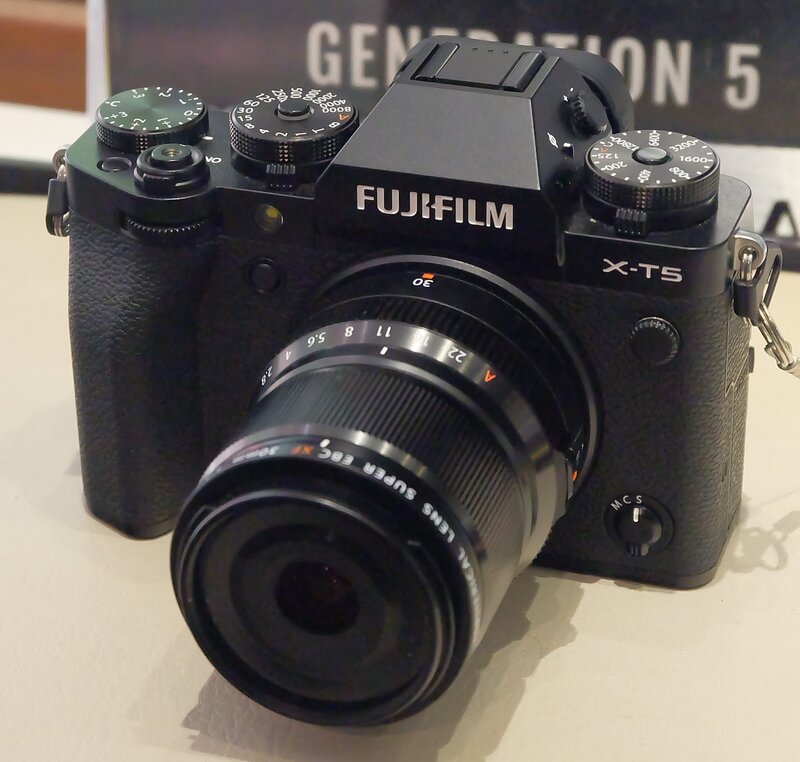
The Fujifilm X-T5 is a photography-focused camera that successfully merges a flagship-level 40MP sensor with a classic design featuring physical dials and a versatile tilting screen. While it excels in still image quality and stabilization, its video capabilities are somewhat constrained by aggressive thermal throttling and a lack of ProRes support compared to its hybrid sibling, the X-H2.
Strengths
- +Features a high-resolution 40MP BSI CMOS sensor that delivers image quality identical to the flagship X-H2.
- +Includes a two-axis tilting rear screen that facilitates comfortable off-axis composition in both landscape and portrait orientations.
- +Offers robust in-body stabilization rated at up to 7.0EV, matching the stabilization capabilities of the X-H2.
- +Retains traditional physical control dials, appealing to photographers who prefer tactile camera operation.
- +Supports a 20-shot pixel-shift mode to create 160MP composite images for maximum detail in static subjects.
Watch-outs
- −Video recording duration is limited to 90 minutes for 6.2K/30p and 60 minutes for 4K/60p, with performance dropping significantly at higher temperatures.
- −The 6.2K video capture utilizes a 1.23x crop of the sensor, and the camera lacks ProRes recording options found on the X-H2.
- −The pixel-shift high-resolution mode has no motion correction, restricting its use to completely static subjects.
Specifications comparison
| Spec | Canon R6 II | Fujifilm X-T5 |
|---|---|---|
| Sensor | 24.2MP Full-Frame | 40.2MP APS-C |
| ISO Range | 100-102400 | 125-12800 |
| Video | 4K 60fps | 6.2K 30fps |
| Stabilization | 8-stop IBIS | 7-stop IBIS |
| Weight | 670g (body) | 557g (body) |
| Storage | Dual SD UHS-II | Dual SD UHS-II |