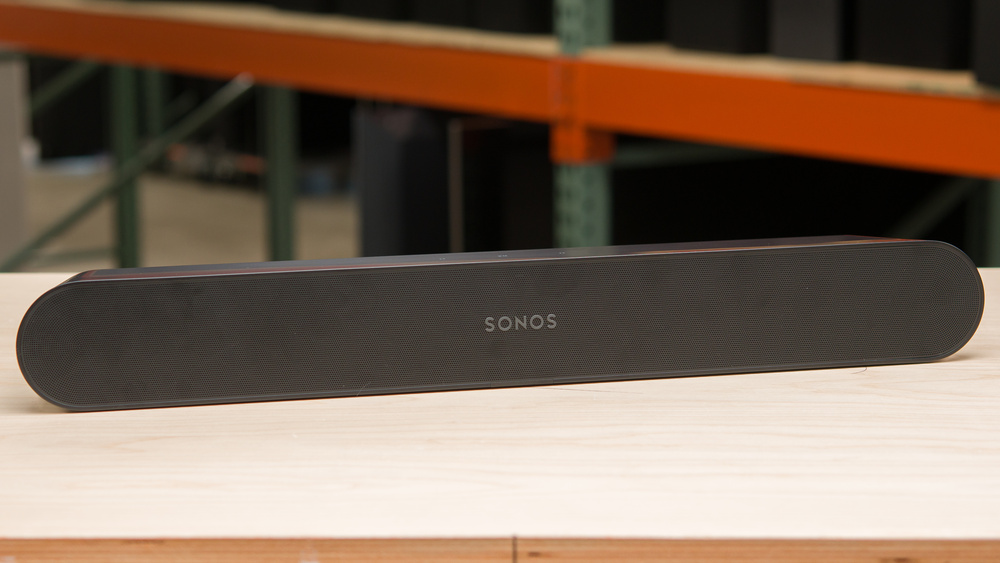
The Sonos Ray is the right answer for apartment dwellers, bedroom secondary systems, and anyone with a TV in the 32 to 43 inch range who wants meaningful upgrade over built-in TV speakers without taking up living-room real estate. The 22-inch footprint, the front-facing driver layout, and the full Sonos ecosystem make it a thoughtful entry product. It is not an Atmos bar and the bass is modest without the Sub Mini, but it does what it is built for very well.
Full review
Real-World Performance
The Ray is intentionally limited and is rated against those limits. RTINGS scored it 6.9 out of 10 overall, with particular credit for dialogue clarity and front-projected sound that fits its size. What Hi-Fi awarded four stars and noted that a 2023 firmware update fixed an earlier bass-buzz issue, making it a much more palatable listener than at launch. Tom's Guide and TechRadar both called it the top soundbar for small spaces, with TechRadar specifically positioning it as the powerful small soundbar buyers have been waiting for.
In actual use, the Ray sounds substantially clearer than any built-in TV speaker and noticeably better than budget compact soundbars from Vizio or Yamaha in the same size class. The front-facing driver layout matters - the bar is designed to be placed on a media console with the couch a few feet away, and the sound projects forward cleanly. It is not loud enough for medium-to-large living rooms and it does not have the bass weight for movie effects, but for bedroom TVs and apartment-sized living spaces it punches above its dimensions.
Build Quality and Design
At 22 inches wide, 2.8 inches tall, and 3.7 inches deep, the Ray is genuinely small - it is roughly half the width of a flagship soundbar and fits cleanly under most 32-inch to 55-inch TVs. The 4.4-pound weight makes it easy to wall-mount with the official Sonos bracket or any third-party mount designed for compact bars. Build quality is consistent with the rest of the Sonos lineup: matte plastic finish in black or white, no visible logos, clean minimal design.
The deliberate omission of HDMI is the most controversial design choice. The bar connects to the TV via a digital optical (Toslink) cable, which works fine for stereo and Dolby Digital audio but cannot pass the lossless tracks that an HDMI eARC connection enables. There is also no Bluetooth, so music playback must come through Wi-Fi - either the Sonos app, AirPlay 2 from Apple devices, or Spotify Connect. For Sonos-ecosystem households this is not a problem; for Android users with no Apple devices it can be a real limitation.
What Reviewers Loved
Dialogue clarity and front-facing imaging are the two most-praised aspects. What Hi-Fi specifically called out that the Ray remains one of the best budget soundbars available, particularly if crisp and clear dialogue is your priority. Tom's Guide noted that the bar fills small rooms convincingly at around 70 percent volume, which means most apartment-volume use will not require pushing it to its limits. RTINGS measured a flat, neutral tonal balance that prioritizes clarity over excitement.
Ecosystem integration is the other consistent positive. The Ray slots into the broader Sonos lineup as the entry product - you can start with just the bar, add a Sub Mini later when you have the budget for it, and add two One SL speakers as wireless rear surrounds for a 4.1 configuration. AirPlay 2 from iPhones and Macs is reliable, multi-room sync with other Sonos speakers works as expected, and the Sonos app, while occasionally rocky, has matured significantly since 2024.
Where It Falls Short
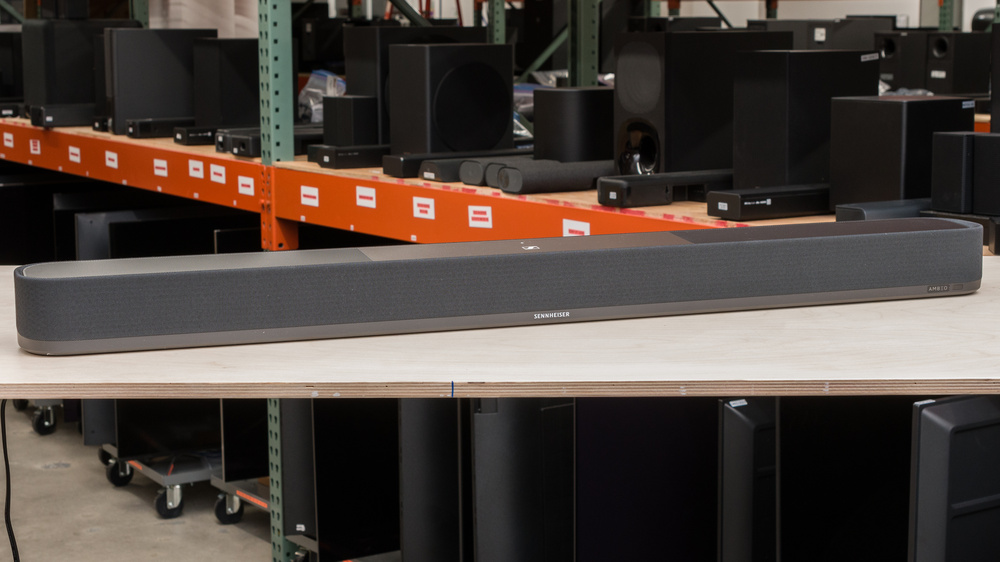
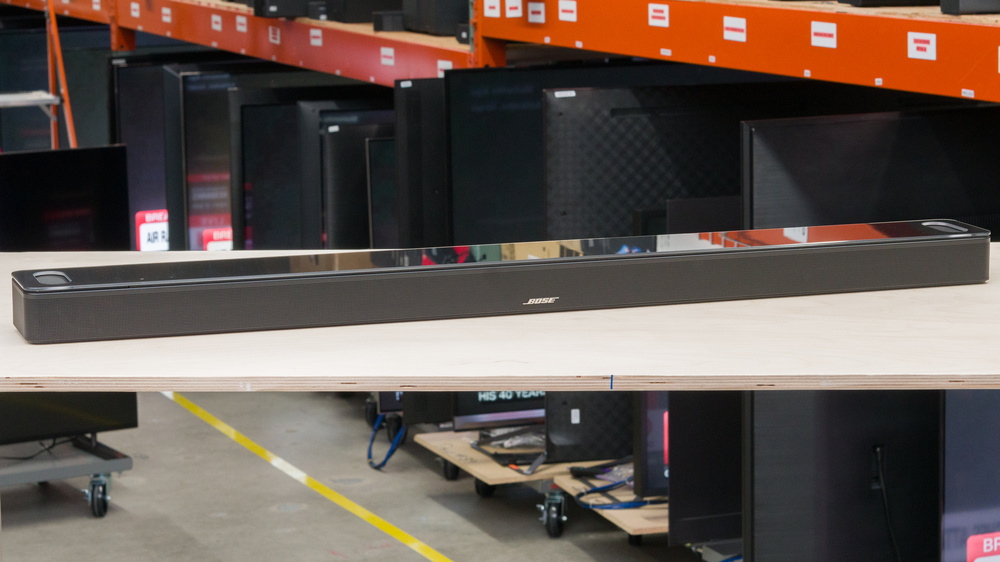
The lack of Dolby Atmos is the single biggest spec-sheet limitation. The Ray is a 2.0 stereo bar with no overhead processing of any kind, so Atmos content downmixes to stereo and you lose the height-channel content entirely. For buyers who want a true small-room Atmos option, the Sennheiser Ambeo Soundbar Mini and the Bose Smart Soundbar 600 (both significantly more expensive) are the relevant alternatives. The Ray is not trying to be those products.
Bass is the other structural weakness. Without the optional Sub Mini, the Ray produces only modest low-end weight - enough for TV dialogue and music at apartment volume but not enough for movie-effect impact. Adding the Sub Mini costs another $429, which roughly doubles the system price and makes the total cost competitive with stepping up to a Sonos Beam Gen 2. The lack of HDMI and Bluetooth are real friction points depending on your TV and ecosystem.
Who It's Best For
If you have a TV in the 32-inch to 50-inch range, you live in an apartment or bedroom-sized space, and you want a meaningful dialogue and clarity upgrade over the TV's built-in speakers, the Ray is the right product. It is also the right entry point for buyers who plan to grow into the Sonos ecosystem over time - the Ray is the simplest starting purchase and integrates cleanly with everything else in the lineup.
It is the wrong choice if you want Atmos support, if you watch primarily action movies and want bass weight, or if you have no Apple devices and rely on Bluetooth for music. In those cases the Sennheiser Ambeo Soundbar Mini, the Bose Smart Soundbar 600, or stepping up to a Sonos Beam Gen 2 will be a better fit.
How It Compares to Alternatives
Within the Sonos lineup the Ray is the bottom rung - the Beam Gen 2 adds Atmos and HDMI eARC for roughly $150 more, and the Arc Ultra is the flagship at four times the price. The Ray sits below the entry point of the discrete-channel category entirely; it is not trying to compete with the Samsung HW-Q990D or the Bose Smart Ultra Soundbar. Its real competition is the built-in speakers in the TV itself and the cheapest compact bars from Yamaha (SR-C30A) and Vizio.
Against those direct competitors the Ray wins on ecosystem and on long-term upgrade path. The Yamaha SR-C30A is cheaper and includes Bluetooth and a small wireless sub, but is locked into its own world with no upgrade path. The Vizio compact bars are even cheaper but sound noticeably worse. For buyers who value the option to grow the system over time, the Ray is the most sensible small-bar purchase.
Value at This Price
At $279 the Ray is competitively priced against other compact soundbars and a meaningful step up from any TV's built-in speakers. The value calculation depends on how you weight ecosystem versus features - the Ray costs more than the Yamaha SR-C30A or budget Vizio options but offers a clearer growth path and noticeably cleaner sound for TV dialogue.
Adding the optional Sub Mini doubles the price and brings the system close to a Sonos Beam Gen 2 in cost. For most apartment buyers the Ray on its own is the right purchase, and the Sub Mini upgrade is best deferred until either the budget allows or you specifically find yourself wanting more bass weight. The 1-year warranty is short but consistent with the rest of the Sonos lineup.
Setup and Software
Setup is the simplest in the entire Sonos lineup because there is no HDMI cable to deal with - you plug in the included optical cable, plug in power, and run the Sonos app's two-minute setup routine. The app discovers the bar, walks through Wi-Fi connection, and offers to run TruePlay room correction if you have an iOS device. TruePlay is iOS-only, which is a real limitation for Android-exclusive households, but the default tuning is competent enough that the calibration is more nice-to-have than essential.
Day-to-day software experience is the standard Sonos package: AirPlay 2 from Apple devices, Spotify Connect, multi-room sync with other Sonos speakers, and integration with most major streaming services through the Sonos app. The lack of Bluetooth means Android-only households are limited to whatever streaming services the Sonos app supports natively, which covers the major ones but does not include direct podcast or web-audio playback. The lack of HDMI also means TV-volume CEC control is limited - the bar responds to the TV remote via optical, but cannot pull EDID or other HDMI-CEC metadata that an HDMI bar would.
Strengths
- +Compact 22-inch width is one of the smallest soundbars on the market - fits 32-43 inch TVs cleanly
- +Clear, dialogue-forward tuning genuinely improves on built-in TV speakers without artificial processing
- +Full Sonos ecosystem integration - AirPlay 2, multi-room, future Sub Mini and One SL surround upgrades
- +Front-facing drivers project sound forward effectively for couch placement in small rooms
- +Available in black or white finishes to blend with most apartment decor
Watch-outs
- −No Dolby Atmos support - this is a 2.0 channel bar without overhead processing
- −No HDMI input at all - connects via digital optical only, which limits CEC features on some TVs
- −No Bluetooth - music playback is Wi-Fi only via the Sonos app or AirPlay 2
- −Bass is limited without adding the optional Sub Mini, which roughly doubles the system price
How it compares
It is the simplest entry point into the Sonos ecosystem - the Arc Ultra is the long-term upgrade target if you stay in the family. Compared with the Bose Smart Ultra Soundbar at three times the price, the Ray skips Atmos and HDMI entirely in exchange for true small-room friendliness.
Who this is for
At a glance: Apartment dwellers, bedroom secondary systems, and households with 32-43 inch TVs who want a clear dialogue upgrade without the size or bass of a flagship bar.
Why you’d buy the Sonos Ray
- Compact 22-inch width is one of the smallest soundbars on the market - fits 32-43 inch TVs cleanly.
- Clear, dialogue-forward tuning genuinely improves on built-in TV speakers without artificial processing.
- Full Sonos ecosystem integration - AirPlay 2, multi-room, future Sub Mini and One SL surround upgrades.
Why you’d skip it
- No Dolby Atmos support - this is a 2.0 channel bar without overhead processing.
- No HDMI input at all - connects via digital optical only, which limits CEC features on some TVs.
- No Bluetooth - music playback is Wi-Fi only via the Sonos app or AirPlay 2.
Rating sources
“A decent compact soundbar with a clear, dialogue-focused sound and full Sonos ecosystem integration.”
“An update has made the Ray a much better soundbar - one of the best budget options if dialogue is your priority.”
“A compact soundbar that's big on sound - ideal for small spaces.”
“The top soundbar for small spaces - the powerful small soundbar you've been waiting for.”
Our 4.0 score is the average of these published ratings. More about methodology.