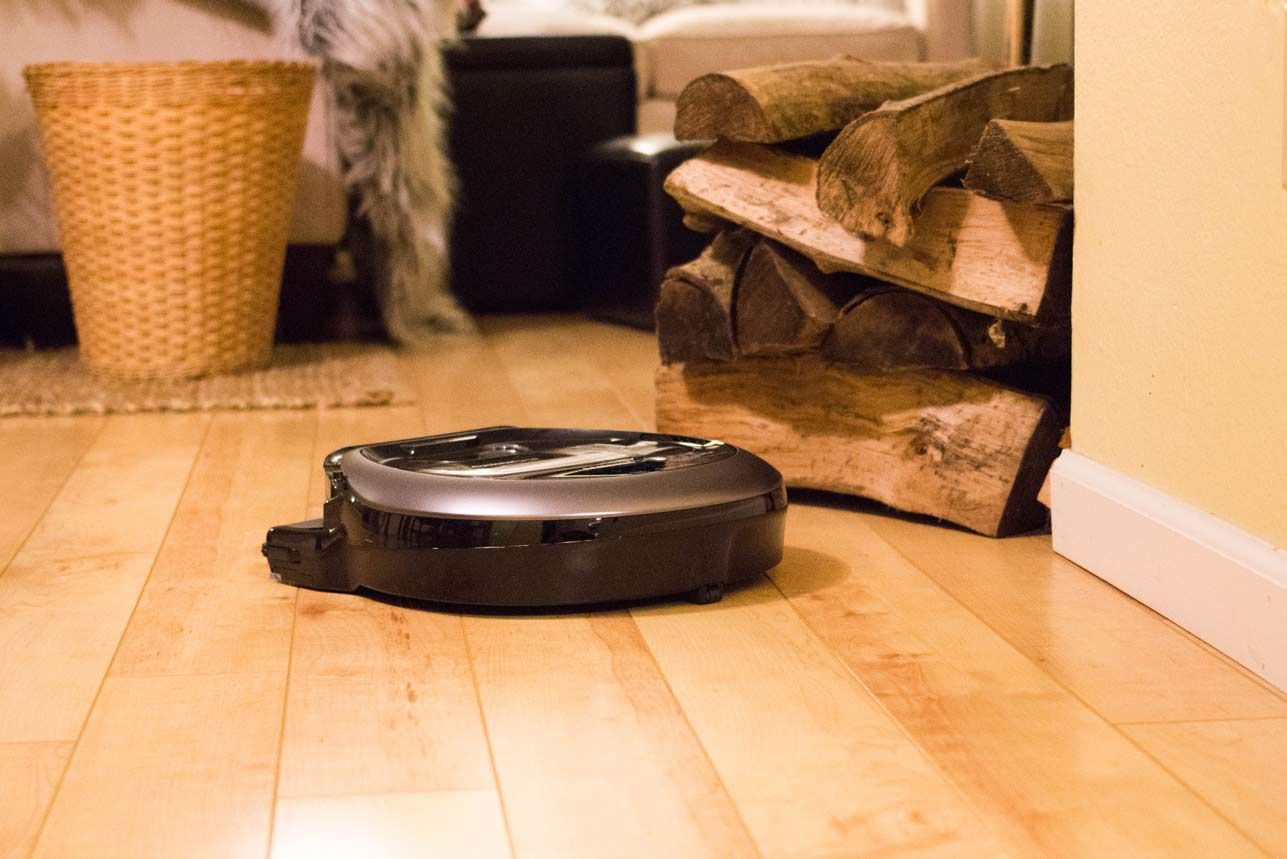
The Samsung Powerbot delivers strong cleaning performance with its powerful suction and effective edge-cleaning brush, making it a solid choice for homes with pets or large debris. However, its bulky size limits access to low furniture, and the camera-based navigation can fail in dimly lit environments. Additionally, users frequently note that the device operates at a higher noise level compared to modern competitors.
Strengths
- +Features a powerful suction motor capable of picking up large debris like cereal and pet hair effectively.
- +Utilizes a camera-based navigation system to map rooms and avoid obstacles more intelligently than random-bounce models.
- +Includes a dedicated edge-sweeping brush that cleans along baseboards and corners better than standard round vacuums.
- +Offers a robust app interface allowing users to set no-go zones and schedule cleaning sessions remotely.
Watch-outs
- −The unit is significantly louder than many competing robot vacuums, making it disruptive during operation.
- −The camera navigation system struggles in low-light conditions or dark rooms, often causing the robot to get stuck.
- −The design is bulky and tall, preventing it from fitting under many standard sofas and beds.
How it compares
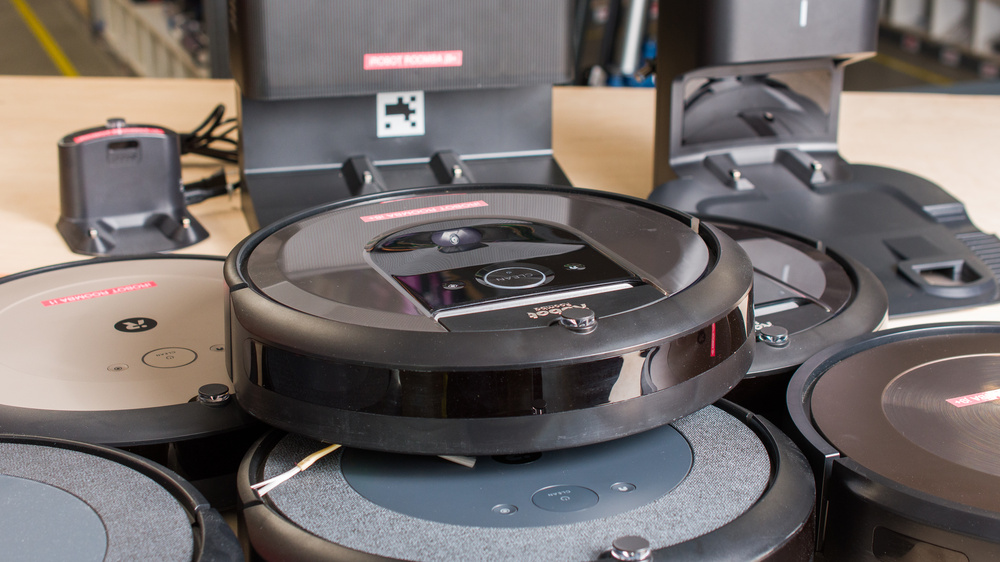
The Samsung Powerbot delivers significantly stronger suction for large debris than the Roomba j7+ or iRobot Roombas, and its edge-sweeping brush outperforms the round designs of the iRobot models. However, it is much louder than the Roomba j7+ and struggles in low-light conditions where the Roomba's sensors or the Dyson 360 Eye's infrared cameras would succeed. Its bulky design also prevents it from fitting under low furniture, a limitation not shared by the sleeker Roomba or Dyson units.
Rating sources
Our 3.8 score is the average of these published ratings. More about methodology.