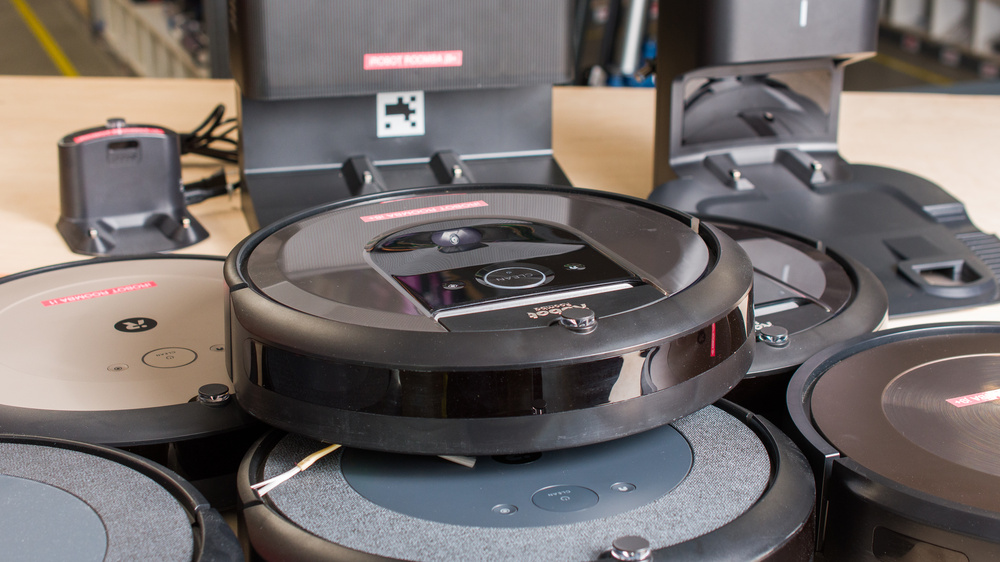
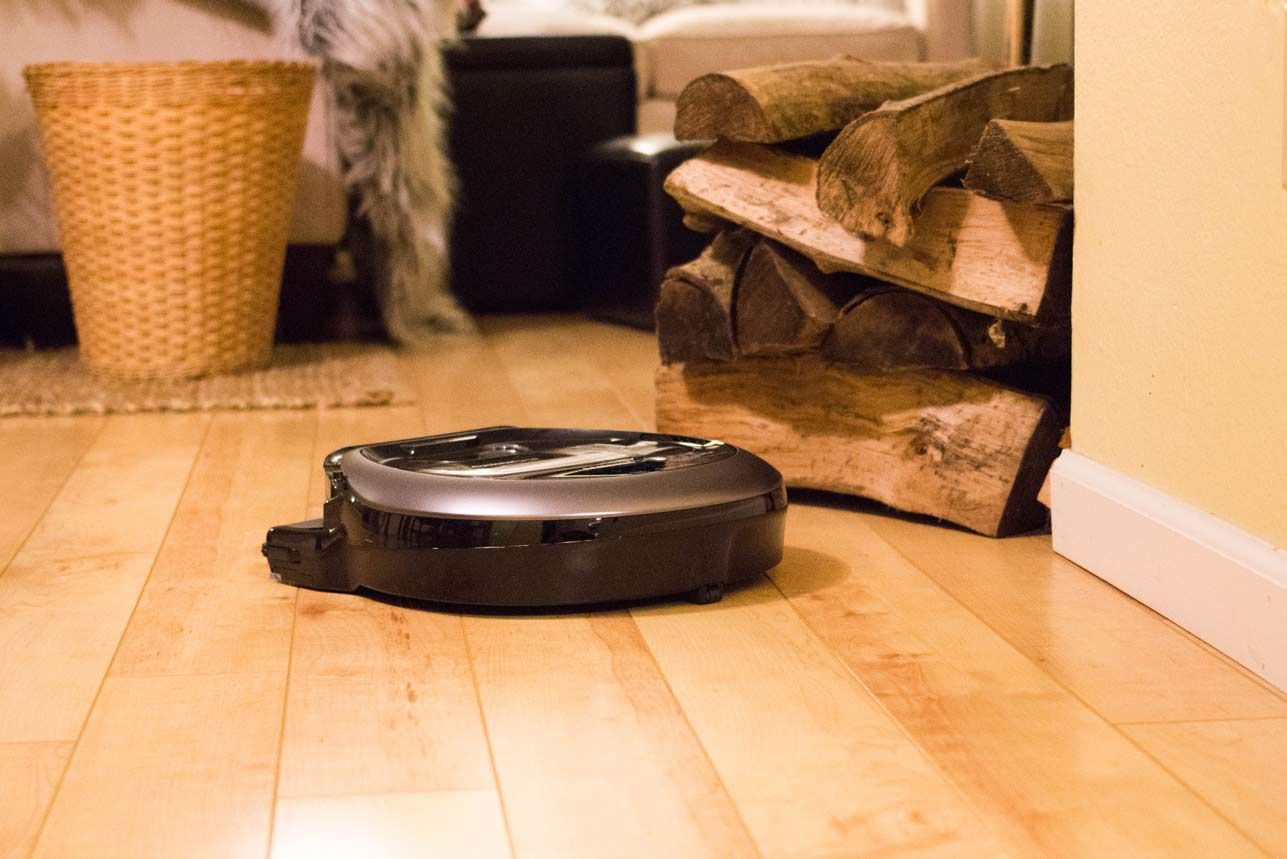
The iRobot Roomba J7+ stands out primarily for its advanced obstacle avoidance technology, which reliably detects and navigates around pet waste and household clutter. While it offers excellent convenience through its self-emptying base and effective pet hair pickup, its cleaning efficiency is hampered by a less systematic navigation pattern and a higher price point compared to competitors. Additionally, the lack of a self-cleaning brushroll means users must still perform occasional manual maintenance to remove tangled hair.
Strengths
- +Successfully identifies and avoids specific obstacles like pet waste, shoes, and charging cables using PrecisionVision Navigation.
- +The Clean Base Automatic Dirt Disposal allows the robot to empty its own bin for weeks without user intervention.
- +Delivers strong suction power that effectively picks up pet hair and debris from both hard floors and carpets.
- +The iRobot Home App enables precise room mapping and allows users to set up 'Keep Out Zones' to restrict cleaning areas.
Watch-outs
- −The cleaning path is often inefficient and random compared to competitors that use systematic grid patterns.
- −The unit is significantly more expensive than many rival robot vacuums with similar or superior cleaning performance.
- −It lacks a self-cleaning brushroll, requiring manual removal of tangled hair and debris from the rollers.
How it compares
The iRobot Roomba J7 offers the same PrecisionVision obstacle avoidance as the Roomba j7+ but lacks the included self-emptying base, making it a less convenient option for users who want hands-off maintenance. Unlike the Samsung Powerbot and Dyson 360 Eye, which use camera-based mapping, the J7 relies on a less systematic random cleaning path that can be inefficient. It also shares the iRobot Roombas' general drawback of lacking a self-cleaning brushroll, requiring manual hair removal unlike some modern competitors.
Rating sources
Our 4.5 score is the average of these published ratings. More about methodology.