Verdict
Head-to-head · Best Soundbars

Samsung HW-Q990D vs Sonos Ray

Which is the better buy? Side-by-side on rating, price, strengths, and watch-outs — with the published ratings we averaged to get there.

The short answer

Samsung HW-Q990D comes out ahead by a clear margin (4.6 vs 4.0). The gap is mostly about Home theater buyers who want a complete 11.1.4 Dolby Atmos system in one purchase and need HDMI 2.1 passthrough for current-generation game consoles. — read the strengths below before deciding.

Samsung HW-Q990D
Higher ratedRanked #2 in Best Soundbars
Samsung HW-Q990D
$1,499

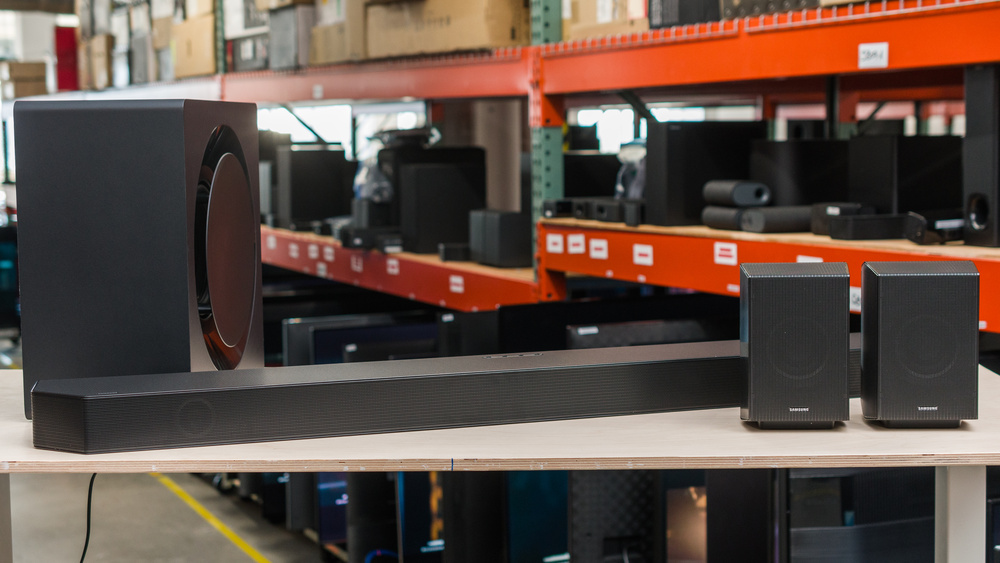
The Samsung HW-Q990D is the choice when you want a complete 11.1.4 home theater system out of the box without piecing together a separate AVR and speakers. The four-piece set delivers more raw channels and more physical surround envelopment than any one-piece soundbar can match, and HDMI 2.1 passthrough makes it a real fit for PS5 and Xbox Series X owners. Trade-offs are the more involved installation and a software experience that lags Sonos.

Strengths
  • True 11.1.4-channel layout with main bar, wireless subwoofer, and two wireless rear satellites in the box
  • 22 individual speakers including up-firing drivers on the rears for genuine overhead localization
  • HDMI 2.1 passthrough with 4K/120Hz, VRR, and ALLM for next-gen game consoles
Watch-outs
  • Significantly more cluttered installation than a one-piece bar - rear speakers need power outlets
  • Samsung's SmartThings app is less polished than Sonos for day-to-day use and music streaming
  • Some 2024 buyers reported firmware-update bricking incidents requiring service center repair
Sonos Ray
Ranked #5 in Best Soundbars
Sonos Ray
$279

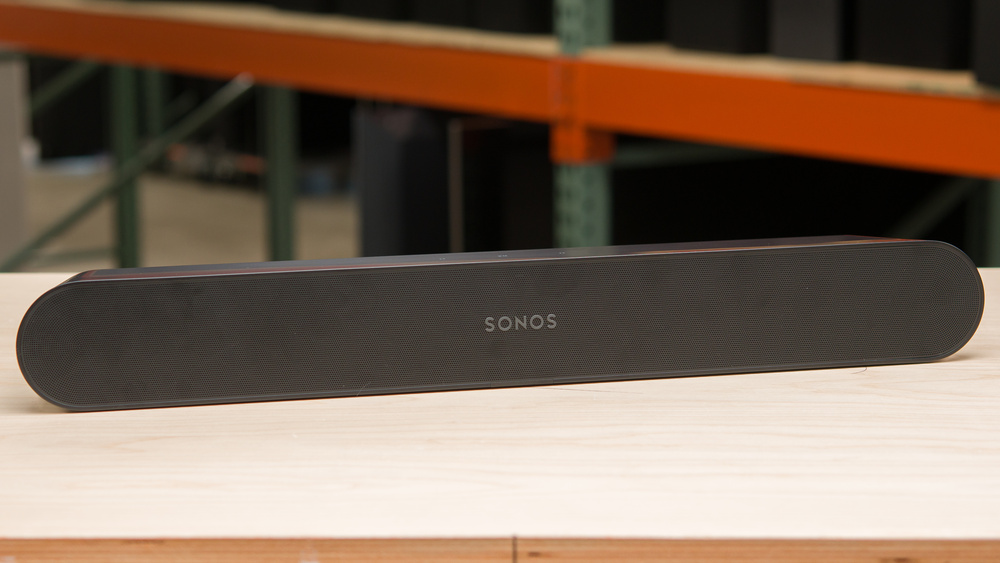
The Sonos Ray is the right answer for apartment dwellers, bedroom secondary systems, and anyone with a TV in the 32 to 43 inch range who wants meaningful upgrade over built-in TV speakers without taking up living-room real estate. The 22-inch footprint, the front-facing driver layout, and the full Sonos ecosystem make it a thoughtful entry product. It is not an Atmos bar and the bass is modest without the Sub Mini, but it does what it is built for very well.

Strengths
  • Compact 22-inch width is one of the smallest soundbars on the market - fits 32-43 inch TVs cleanly
  • Clear, dialogue-forward tuning genuinely improves on built-in TV speakers without artificial processing
  • Full Sonos ecosystem integration - AirPlay 2, multi-room, future Sub Mini and One SL surround upgrades
Watch-outs
  • No Dolby Atmos support - this is a 2.0 channel bar without overhead processing
  • No HDMI input at all - connects via digital optical only, which limits CEC features on some TVs
  • No Bluetooth - music playback is Wi-Fi only via the Sonos app or AirPlay 2

How they stack up

Samsung HW-Q990D

Compared with the Sonos Arc Ultra it offers more raw channels and a complete surround system out of the box, but with a more cluttered installation and weaker software. Against the Sennheiser Ambeo Soundbar Plus it provides true discrete rears and a sub instead of virtualized height channels.

Sonos Ray

It is the simplest entry point into the Sonos ecosystem - the Arc Ultra is the long-term upgrade target if you stay in the family. Compared with the Bose Smart Ultra Soundbar at three times the price, the Ray skips Atmos and HDMI entirely in exchange for true small-room friendliness.

Specs side-by-side

SpecSamsung HW-Q990DSonos Ray
Channels11.1.42.0
Drivers22 total (4 up-firing + 2 up-firing on rears)4 (2 tweeters + 2 midwoofers)
Wireless SubwooferYes (included)No (optional Sub Mini sold separately)
Surrounds Add-OnYes (included)Yes (One SL, sold separately)
ConnectivityHDMI eARC + 2x HDMI 2.1 in, Wi-Fi, AirPlay 2, Chromecast, Bluetooth 5.2Optical (Toslink), Wi-Fi, AirPlay 2
Voice AssistantAlexa built-inNone (works via Sonos app)
Width48.5 in22.0 in
Height2.7 in2.8 in
Weight17.4 lb (main bar)4.4 lb
Warranty1 year1 year
← See the full ranking of best soundbars